





DFRobot Demonstrates an AI-Powered Electronic Nose Using Gas Sensors
At Embedded World 2026, DFRobot demonstrated how multiple gas sensors can be combined with machine learning to create what is often called an electronic nose. While individual gas sensors are commonly used to detect specific compounds such as carbon dioxide or volatile organic compounds, combining several sensors together allows a system to recognize more complex chemical signatures. In the demo, the setup used a collection of DFRobot sensor modules, an ESP32 running TinyML inference, and a LattePanda Mu single-board computer to identify odors such as beer or vodka in the surrounding air.
Turning Gas Sensors Into an Electronic Nose
An electronic nose works by analysing patterns from multiple gas sensors rather than relying on a single measurement. Each sensor reacts differently to the mixture of gases present in the environment. When several sensors are combined, their readings create a unique pattern that can be analysed and classified by software.
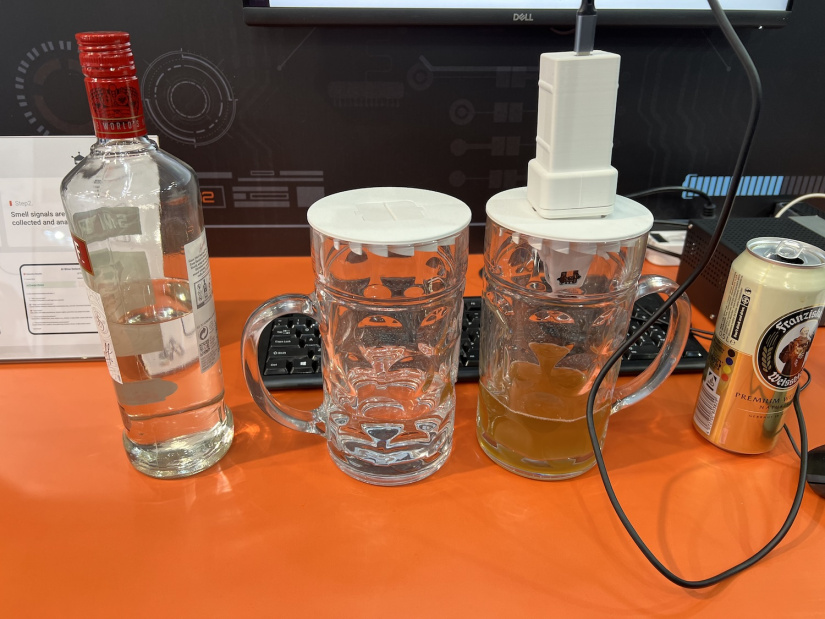
In the demonstration, the system was trained to recognise the chemical signature produced by different beverages. When a container was placed near the sensor array and the system was activated, the sensors captured the gas mixture in the air and the software identified whether the sample contained alcohol. This approach allows embedded devices to perform odor detection tasks that resemble how humans use their sense of smell.
MEMS Gas Sensors and Their Capabilities
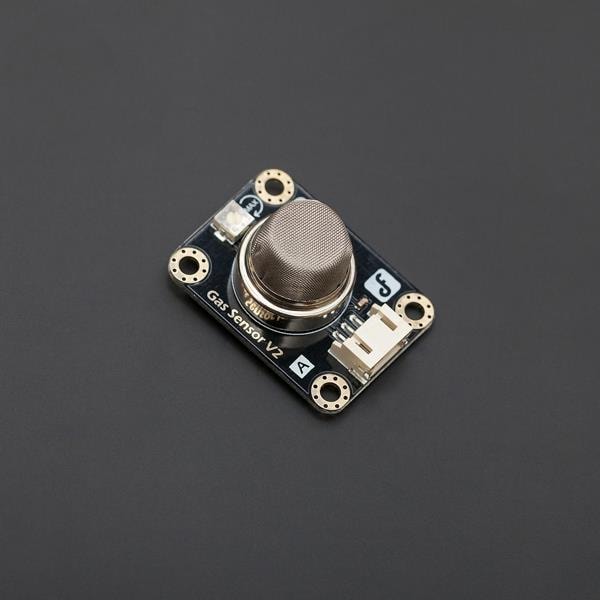
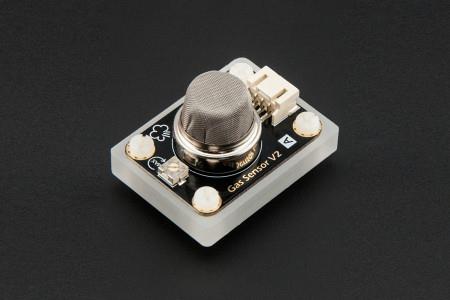
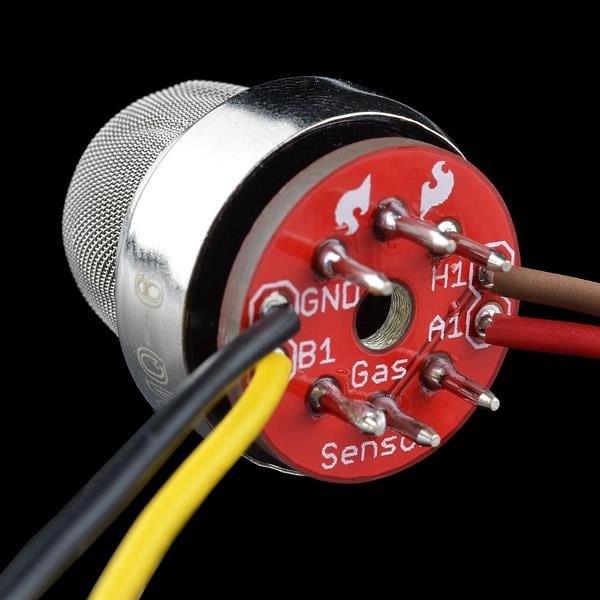
The sensors used in the demo come from DFRobot’s Fermion series of MEMS gas detection modules. These compact sensors are designed to detect trace levels of specific gases and can provide analog output signals that are easy to integrate with microcontrollers. MEMS-based gas sensors typically offer low power consumption, small size, and relatively fast response times, which makes them suitable for embedded sensing applications.
Different variants in the Fermion range target different gases, including volatile organic compounds, methane, ammonia, ethanol, hydrogen sulfide, and nitrogen dioxide. By combining several of these sensors in a single device, developers can create systems capable of identifying more complex environmental conditions or chemical mixtures.
Using TinyML to Recognize Smells
To interpret the sensor readings, the demo used TinyML running on an ESP32 microcontroller. TinyML refers to machine learning models designed to run on small embedded devices with limited processing power and memory. In this case, the ESP32 collects readings from the sensor array and processes them locally using a trained model.
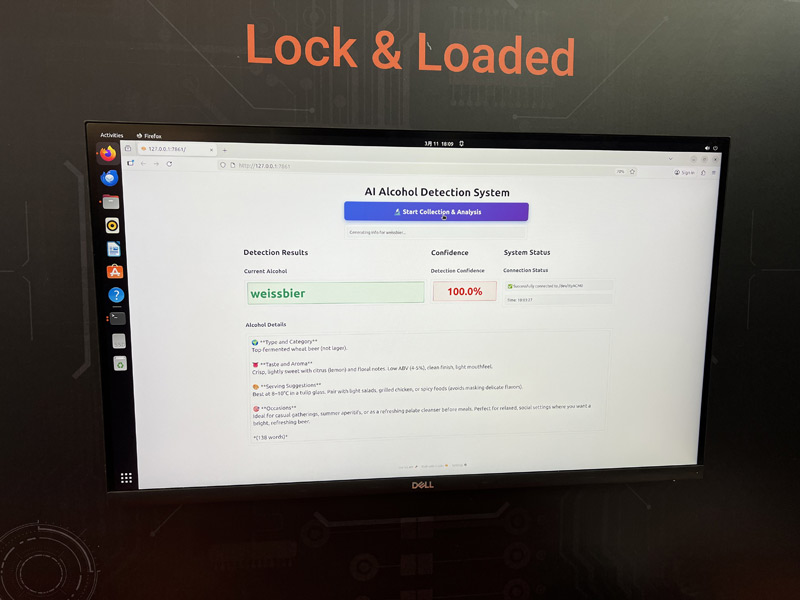
Once trained with labelled data, the TinyML model can classify odor patterns in real time. For example, the system can distinguish between different beverages based on the combination of gases detected. Similar approaches could also be used to identify spoiled food, detect air quality issues, or monitor industrial environments for specific chemical signatures.
Combining Edge Sensors with AI on LattePanda Mu
The demonstration also included a LattePanda Mu single-board computer, which acts as a more powerful processing platform alongside the microcontroller. Unlike many microcontroller-based development boards, the LattePanda Mu uses an x86 processor capable of running a full Linux operating system such as Ubuntu. This allows it to perform more advanced data analysis or run larger AI models.
In the demo setup, the ESP32 handled real-time sensor processing while the LattePanda Mu provided higher-level AI processing and user interaction. By combining TinyML at the edge with a more powerful computing platform, the system demonstrates how embedded devices can integrate sensor data, machine learning, and larger AI models into a single sensing application.
Make sure you subscribe to The Electromaker Show for similar content and subscribe to our monthly newsletter!

Residing on the south coast of England, Rich has spent the last few years building Electomaker.io from the ground up. He is usually found behind a laptop coordinating the rest of the EM team and occasionally finding time to contribute articles to the blog. When not tapping away at a laptop, he can be found either paddleboarding, at the beach, playing golf (badly), or camping with his family.








Leave your feedback...