





Epishine Demonstrates Flexible Indoor Solar Cells for Battery-Free Devices at Embedded World 2026
At Embedded World 2026, Epishine demonstrated how indoor solar cells can power small electronic devices without relying on disposable batteries. As embedded electronics continue to become more energy efficient, the need for traditional battery-powered designs is being reconsidered. Epishine’s approach focuses on flexible photovoltaic cells optimized for indoor lighting conditions, enabling devices such as remote controls, IoT sensors, and tracking devices to harvest energy from ambient light and operate with minimal maintenance.
Rethinking Power for Low-Energy Devices
Many modern connected devices consume far less power than earlier generations of electronics. Wireless sensors, remote controls, and asset tracking devices often transmit small bursts of data rather than running continuously. This shift makes it possible to power some systems using harvested energy instead of disposable batteries.
Epishine’s solution focuses on replacing single-use batteries with indoor solar cells that generate electricity from artificial lighting. Instead of requiring strong outdoor sunlight, these photovoltaic cells are designed to operate efficiently in environments such as homes, offices, or retail stores where illumination levels are typically a few hundred lux.
Flexible Indoor Solar Cells
The technology uses extremely thin photovoltaic layers produced through a roll-to-roll printing process. This manufacturing method allows Epishine to create lightweight, flexible solar cells that can be integrated into electronics with minimal impact on device size. Because the cells are flexible and do not use glass substrates, they can be embedded in products that experience frequent handling.
These solar cells are designed specifically for indoor lighting conditions, where traditional silicon-based panels are less efficient. By optimizing the active layer for low-light environments, the cells can generate more power under indoor illumination than conventional photovoltaic technologies designed for outdoor sunlight.
Energy Storage Still Plays a Role
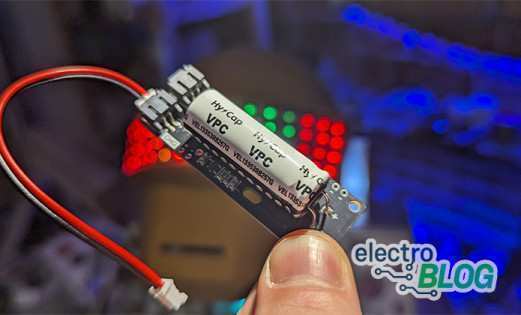
Although the system harvests energy from ambient light, most devices still require a storage element to operate reliably. Energy captured from light is typically stored in a small rechargeable battery or a supercapacitor so the device can operate when lighting conditions change or when higher bursts of power are needed.
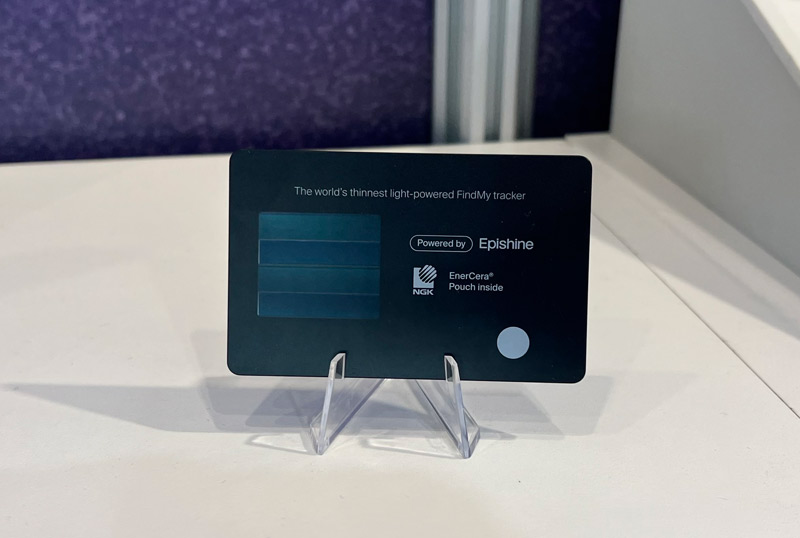
This approach allows devices to store energy during normal lighting conditions and then use that energy when transmitting data or interacting with other systems. The result is a self-powered system that requires far less maintenance than products that rely entirely on disposable batteries.
Applications in Consumer Electronics, Retail, and IoT
Indoor solar power can be used in a range of applications where devices operate in well-lit environments for long periods. Consumer electronics such as TV remote controls, keyboards, and wireless mice are common examples where battery replacement is frequent but power consumption is relatively low.
Retail environments represent another major opportunity. Electronic shelf labels and in-store sensors often run continuously and rely on coin-cell batteries that require periodic replacement. Indoor solar harvesting can extend device lifetimes significantly while reducing maintenance and battery waste. Other potential applications include IoT environmental sensors and asset tracking devices that can operate for extended periods using only ambient indoor light.








Leave your feedback...