





Nordic Demonstrates Fuel Gauge 2.0 Battery Monitoring at Embedded World 2026
At Embedded World 2026, Nordic Semiconductor demonstrated an update to its fuel gauging software designed to help developers understand battery behaviour in connected devices. The feature works alongside Nordic power management chips and the broader nRF Connect software ecosystem, providing a way to estimate how much battery remains and how battery health changes over time. By combining hardware measurements with software algorithms, the system allows devices to report more accurate battery information while also giving manufacturers insight into how batteries age once products are deployed.
What a Power Management IC Does
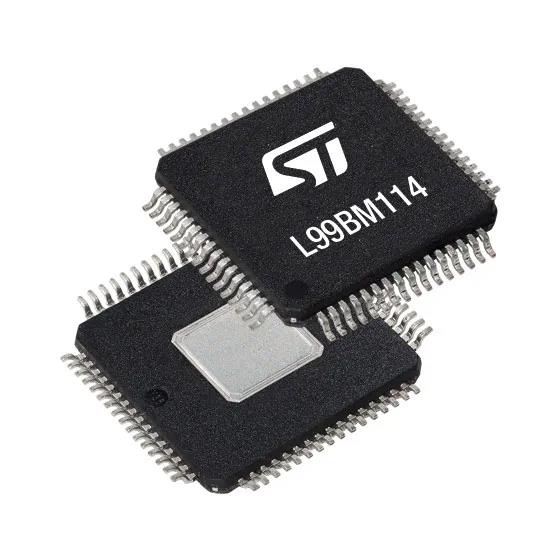
A power management integrated circuit (PMIC) is responsible for controlling how energy flows between a battery, a charging source, and the electronics inside a device. When a device is connected to a charger, the PMIC ensures that the battery is charged safely and efficiently. Once charging is complete, the same chip regulates power delivery from the battery to the rest of the system, providing stable voltage levels for microcontrollers, radios, and sensors.
In many designs this functionality is handled by several separate components, such as battery chargers, voltage regulators, and fuel gauge chips that estimate remaining battery capacity. Nordic’s PMIC devices integrate several of these roles into a single chip, reducing the number of components required on the board. This approach can simplify hardware design while also making it easier for developers to manage power systems in compact embedded devices.
How Fuel Gauging Estimates Remaining Battery
Fuel gauging refers to the process of estimating how much energy remains in a battery and when a device should be recharged. For users, this is typically presented as the familiar battery percentage indicator. However, accurately predicting remaining capacity is more complex than simply measuring battery voltage, because battery behaviour changes depending on load, temperature, and usage patterns.
Nordic’s fuel gauging approach collects measurements such as voltage, current, and battery temperature from hardware sensors inside the PMIC. Software running on the host processor then uses these values within a mathematical battery model to estimate remaining capacity. This process helps devices provide a more reliable indication of battery life, avoiding situations where a device shuts down unexpectedly even though the user interface still reports remaining charge.
Tracking Battery Aging With Fuel Gauge 2.0
All rechargeable batteries gradually degrade as they are used and recharged. Over time, their maximum capacity decreases and their internal resistance increases. This means devices require more frequent charging and may struggle to deliver power under certain conditions, particularly in cold environments.
Fuel Gauge 2.0 extends Nordic’s earlier software approach by tracking how battery characteristics change throughout a device’s lifetime. By monitoring parameters such as charge cycles and capacity trends, the system can estimate the battery’s state of health. For manufacturers, this information can be valuable when analysing how products perform in real-world conditions and identifying ways to adjust charging behaviour or firmware to improve battery longevity.
Monitoring Battery Health Across Connected Devices
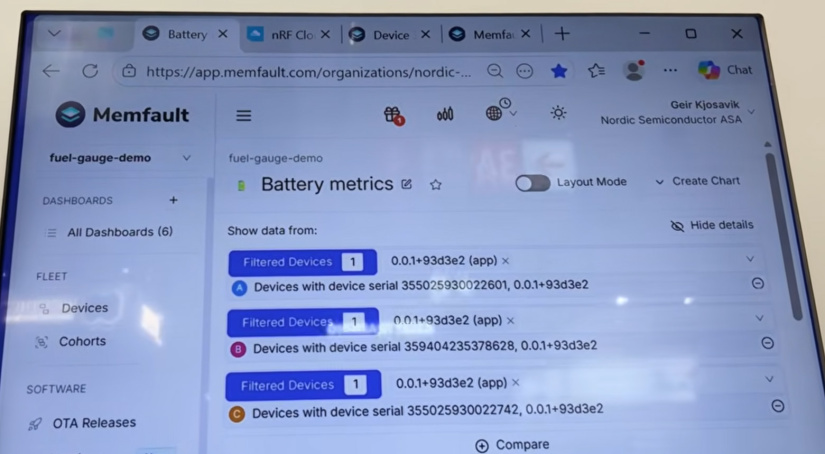
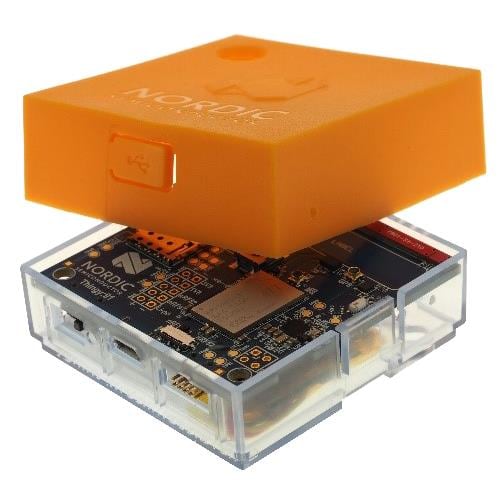
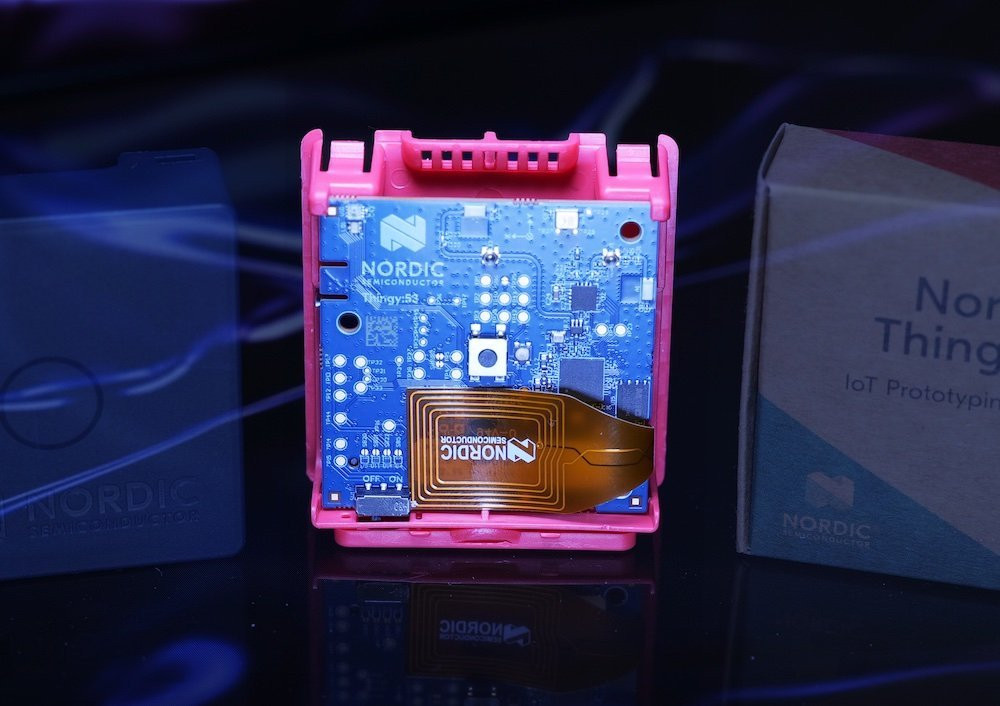
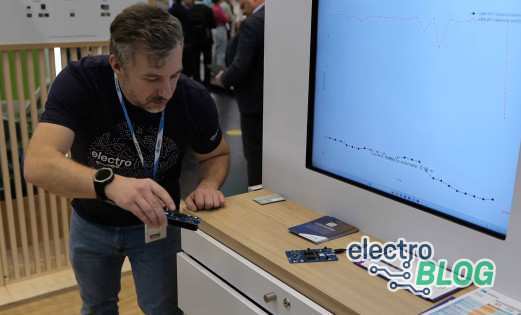
In the demonstration at Embedded World, Nordic used several Thingy:91 development devices to illustrate how battery data could be collected and analysed remotely. These cellular-enabled development platforms periodically reported battery metrics such as state of charge, voltage, and the number of charge cycles. Because the devices are connected to the cloud, this information can be aggregated and monitored over time.
For companies deploying large numbers of connected products, this type of telemetry makes it possible to observe how batteries behave across an entire fleet of devices. Developers can identify patterns in battery aging, detect when capacity begins to decline more quickly than expected, and adjust product settings accordingly. With upcoming regulations also encouraging replaceable batteries in consumer electronics, tools that help track battery health may become increasingly important in future device designs.
Make sure you subscribe to The Electromaker Show for similar content and subscribe to our monthly newsletter!

Residing on the south coast of England, Rich has spent the last few years building Electomaker.io from the ground up. He is usually found behind a laptop coordinating the rest of the EM team and occasionally finding time to contribute articles to the blog. When not tapping away at a laptop, he can be found either paddleboarding, at the beach, playing golf (badly), or camping with his family.















Leave your feedback...