





JetBrains CLion Brings Unified Embedded Development to C, C++, and Rust Projects
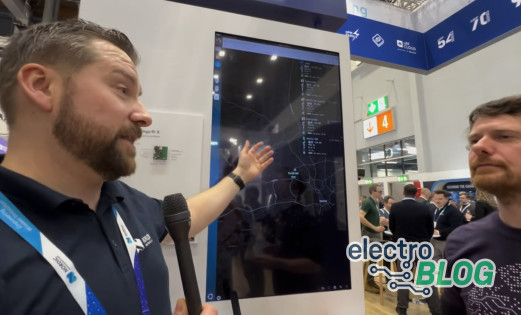
At Embedded World 2026, Artemy Pestretsov, Head of C/C++ Ecosystem, at JetBrains demonstrated how its CLion IDE can support embedded software development alongside its more traditional C and C++ use cases. JetBrains is widely known for developer tools across the entire software development lifecycle, from project management platforms to continuous integration servers, but CLion has increasingly become relevant for firmware and hardware engineers as well. With built-in CMake support, integrations for common embedded toolchains, and growing AI capabilities, the IDE aims to provide a single environment where developers can write, build, flash, and debug embedded applications.
CLion and the Embedded Development Workflow
CLion is a cross-platform IDE designed primarily for C and C++ development, with additional support for Rust projects. It includes intelligent code analysis, navigation tools, and debugging capabilities designed to streamline the development process. For embedded developers, these features can be used to manage firmware code while maintaining the same development experience used in larger software projects.
Embedded workflows typically involve multiple steps such as compiling firmware, configuring toolchains, flashing devices, and running debugging sessions. CLion brings these tasks into a single interface, allowing developers to manage their firmware projects without switching between separate tools for each stage of development.
Built-In Support for Embedded Toolchains
One of the challenges in embedded development is the number of vendor-specific development environments required to support different microcontrollers. Teams working across multiple platforms may need to move between several proprietary IDEs depending on whether they are targeting devices from vendors such as STMicroelectronics, NXP, or Espressif.

CLion addresses this issue by supporting a range of embedded toolchains and debugging hardware within the same environment. Integrations with tools such as J-Link debug probes and SDKs like Espressif’s ESP-IDF allow developers to compile, flash, and debug firmware directly from the IDE, helping to reduce the friction associated with switching between multiple vendor-specific tools.
Simplifying Builds with CMake Integration
CMake has become one of the most widely used build systems for C and C++ projects, including many embedded firmware frameworks. It manages project configuration, compiler settings, and build generation, making it easier to maintain complex codebases across multiple platforms.
CLion uses CMake as its core build system and handles much of the configuration automatically. Once a project is opened, the IDE can run CMake, configure the toolchain, and compile the firmware without requiring developers to manually run commands in a terminal. This allows builds, flashing, and debugging to be triggered directly from the IDE interface.
Integrating Modern AI Tools Into Development
JetBrains has also been expanding AI capabilities across its IDE ecosystem, including CLion. These features allow developers to access code suggestions, AI-assisted problem solving, and chat-based development tools within the same interface used for writing and debugging code.
The company is also working on an open approach to AI integration through what it calls an Agent Client Protocol. This allows developers to connect different AI services, whether they are cloud-based providers or locally hosted models, into the IDE. By supporting multiple AI tools within a single interface, JetBrains aims to reduce fragmentation in development workflows and make it easier to experiment with new AI-assisted coding approaches.
Make sure you subscribe to The Electromaker Show for similar content and subscribe to our monthly newsletter!














Leave your feedback...