





Octavo OSD62X Packs a Linux Microprocessor Into a Microcontroller-Sized Module
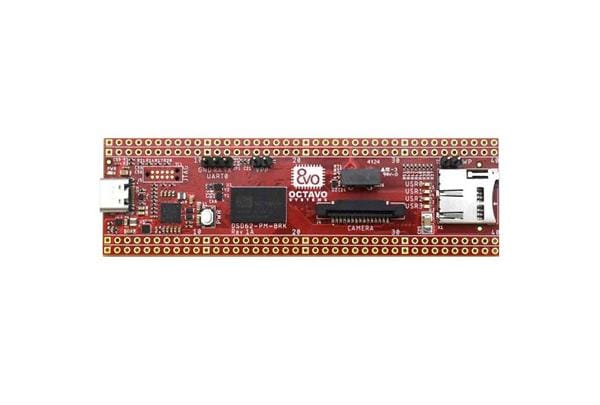
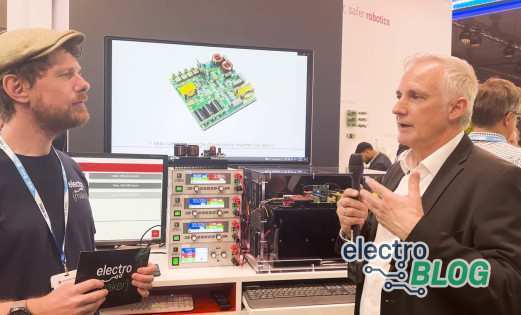
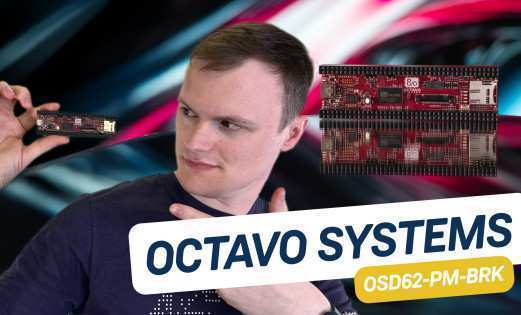
At Embedded World 2026, Octavo Systems showed a development board that initially looks like a typical microcontroller platform. However, the board is actually built around the OSD62X, a Linux-capable microprocessor solution designed to simplify hardware development. By integrating the processor and memory into a compact package, Octavo aims to make working with microprocessors feel closer to the experience developers expect from microcontroller-based boards.
A Linux Microprocessor That Looks Like a Microcontroller
The OSD62X development platform can easily be mistaken for a microcontroller board at first glance. Its compact layout and simple PCB design resemble many popular embedded development boards, yet it runs a full microprocessor capable of supporting Linux-based applications.
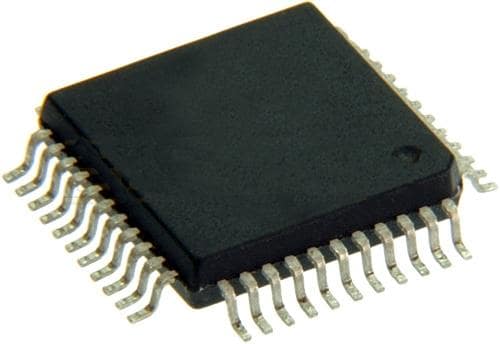
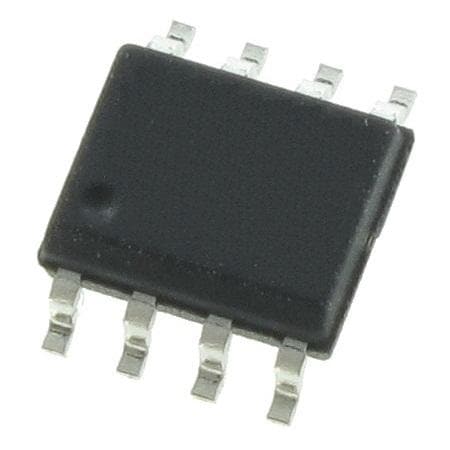
This design approach is possible because Octavo integrates the processor and key system components into a System-in-Package. By combining the processor, memory, power management, oscillators, and supporting components into one device, the complexity normally associated with microprocessor hardware is significantly reduced.
Inside the OSD62X System-in-Package
The OSD62X family is built around the Texas Instruments AM62x processor platform. These processors feature up to four Arm Cortex-A53 cores running at up to 1.4 GHz along with a Cortex-M4F core for real-time processing tasks, allowing the device to handle both high-level Linux workloads and lower-level control functions.
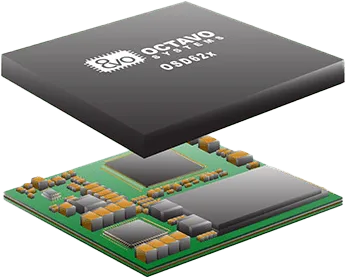
Octavo’s System-in-Package integrates the processor with DDR memory and other supporting components into a single device. This approach removes the need for complex DDR routing and reduces PCB design requirements, allowing developers to build compact Linux-capable hardware with far fewer design challenges.
A New Processor Module Based on STM32MP2
Alongside the existing OSD62X platform, Octavo also previewed a new processor module based on STMicroelectronics’ STM32MP2 processor family. The module follows the same concept of integrating a microprocessor and memory into a compact package designed to simplify hardware design.
The STM32MP2 platform introduces additional capabilities including PCIe connectivity and neural processing support. While the accompanying development board is larger to expose these additional interfaces, the processor module itself remains compact by integrating the processor and DDR4 memory into a single package.
Linux Development Without the Usual Complexity
Development boards based on Octavo’s processor modules ship with Linux distributions configured for the hardware, allowing developers to begin experimenting with the platform quickly. These images are built using the same Linux toolchains and build systems used by the underlying processor vendors.
When projects require additional hardware or peripherals, developers may need to integrate drivers or modify Linux device trees. To support this process, Octavo has begun offering software services aimed at helping customers integrate drivers, customise Linux builds, and optimise the platform for their specific applications.
Make sure you subscribe to The Electromaker Show for similar content and subscribe to our monthly newsletter!
















Leave your feedback...