





D-Robotics Introduces the RDK S100 AI Robotics Development Board at Embedded World 2026
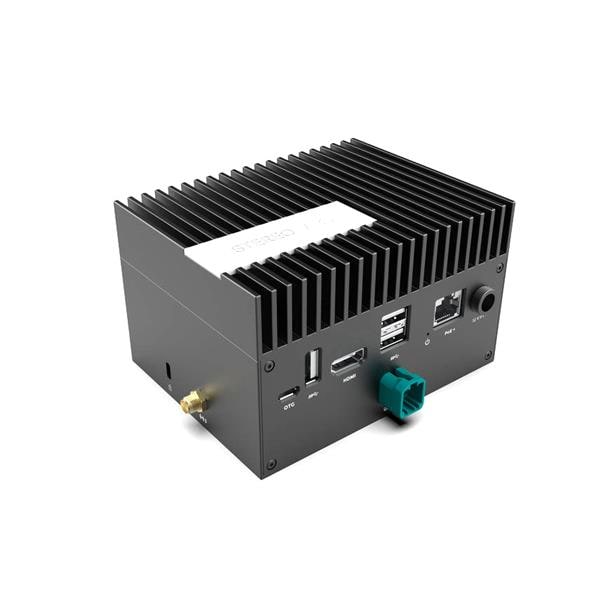
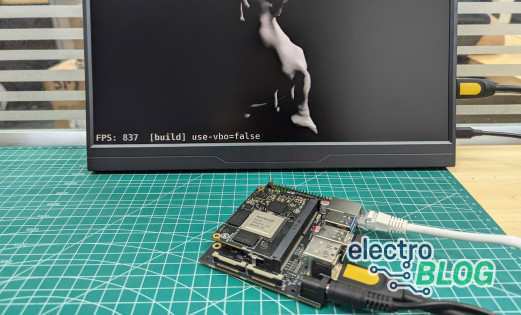
At Embedded World 2026, D-Robotics showcased the RDK S100, a single-board computer designed specifically for robotics and AI workloads. While many SBCs can run Linux and basic robotics frameworks, the RDK S100 is built around a heterogeneous architecture intended to mirror the way robotic systems combine perception, reasoning, and motion control. With a high-performance CPU, a dedicated AI accelerator, and a real-time MCU subsystem on a single board, the platform targets applications ranging from maker robotics projects to industrial robots and autonomous machines.
A Robotics SBC Built Around a “Dual-Brain” Architecture
The RDK S100 is designed around what D-Robotics describes as a “dual-brain” architecture. The board combines a six-core Arm Cortex-A78AE CPU for general processing tasks, a dedicated BPU (Brain Processing Unit) for AI inference, and real-time MCU cores that handle motion control. This structure allows perception and control tasks to run simultaneously, which is important in robotics systems where sensor data must be processed while motors and actuators respond in real time.
The AI accelerator is capable of around 80 TOPS of inference performance, enabling the board to run demanding machine learning models locally. Combined with the CPU and MCU cores, the system can support tasks such as computer vision, motion control, and decision making in robotics applications. This heterogeneous design helps reduce system complexity by allowing perception and motor control to run on the same platform instead of requiring separate processors.
High-Performance Hardware for AI Robotics
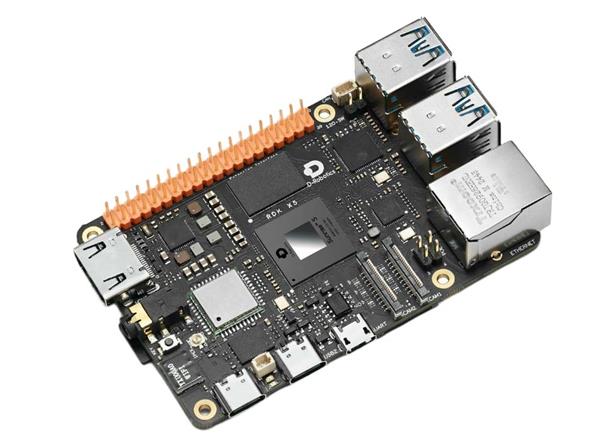
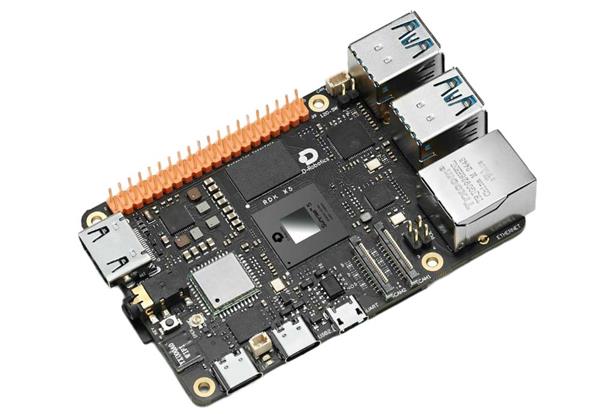
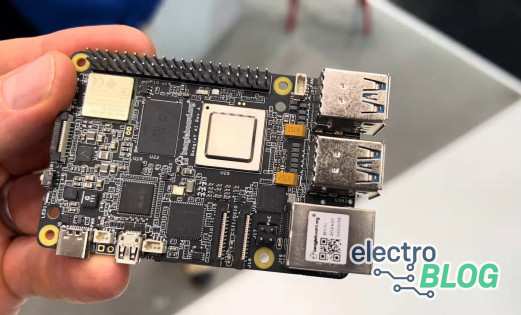
Under the hood, the RDK S100 development kit integrates several high-performance components designed for robotics workloads. These include a six-core Cortex-A78AE processor, a Mali-G78AE GPU, and four Cortex-R52 real-time MCU cores used for deterministic motor control tasks. The board also includes up to 12GB of LPDDR5 memory and onboard eMMC storage, allowing it to handle large neural networks and robotics software frameworks locally.
The board provides a wide range of connectivity options that are commonly needed in robotics development, including USB 3.0 ports, dual Gigabit Ethernet, HDMI display output, and M.2 expansion for storage or wireless modules. Camera interfaces such as dual MIPI inputs allow developers to connect vision sensors, making the platform suitable for applications like object detection, autonomous navigation, and AI-based perception systems.
Running Modern AI Models on the Edge
One of the key goals of the RDK platform is enabling robotics developers to run AI workloads locally on the robot rather than relying on cloud processing. The onboard BPU accelerator supports modern AI frameworks and models, including object detection networks such as YOLO and other vision-based AI algorithms. Running these models directly on the board reduces latency and enables robots to react quickly to changes in their environment.
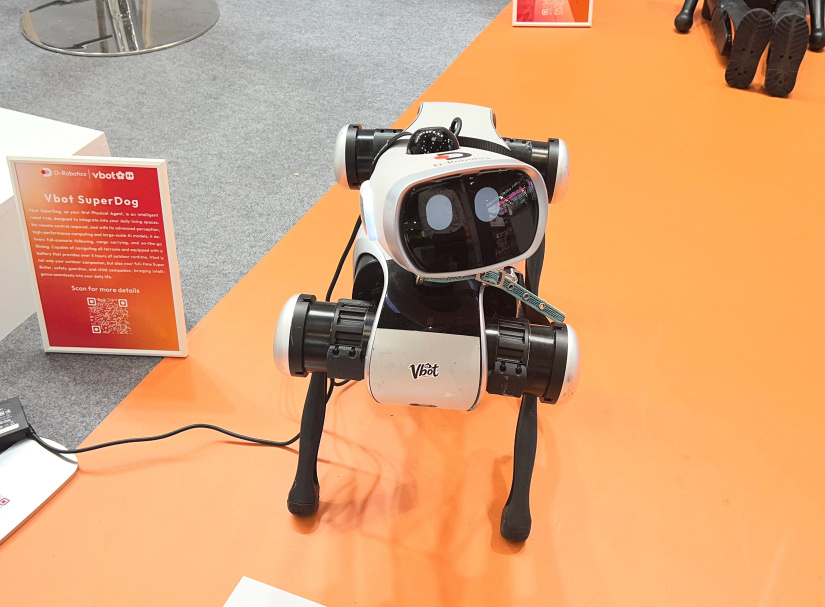
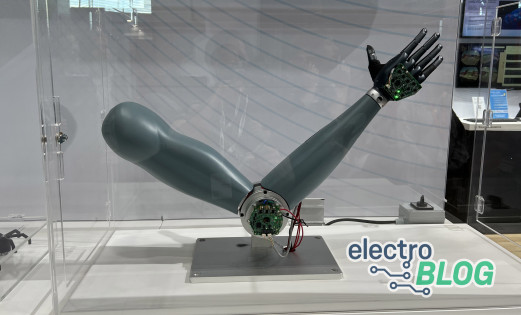
Because the platform can perform perception, reasoning, and control on-device, it is well suited to real-time robotics scenarios such as robotic arms, humanoid robots, autonomous vehicles, and intelligent cameras. By combining AI inference and motion control on the same hardware platform, developers can build systems that respond to sensor input with minimal delay.
The RDK Ecosystem for Robotics Development
Alongside the hardware, D-Robotics provides a broader ecosystem known as the RDK platform. This ecosystem includes development tools, software frameworks, and algorithm libraries designed to help developers build robotics applications more quickly. Official support for robotics frameworks and AI deployment tools allows engineers to move from experimentation to production more efficiently.
The platform also includes a large set of open-source algorithms and example projects, enabling developers to explore robotics functions such as vision processing, sensor fusion, and autonomous navigation. With more than 200 example applications and model deployments available, the ecosystem aims to simplify the process of building intelligent robots by combining hardware acceleration, software tools, and development resources in a single environment.
Keep Up-To-Date With News From DRobotics
Official Website: d-robotics.cc
Purchase:https://en.d-robotics.cc/distributor
Discord Server: https://discord.gg/fjM8RqGBmp
LinkedIn: https://www.linkedin.com/company/d-robotics
X: https://x.com/DRoboticsDev

Residing on the south coast of England, Rich has spent the last few years building Electomaker.io from the ground up. He is usually found behind a laptop coordinating the rest of the EM team and occasionally finding time to contribute articles to the blog. When not tapping away at a laptop, he can be found either paddleboarding, at the beach, playing golf (badly), or camping with his family.










Leave your feedback...