





Maker Faire Shenzhen 2025: Tools, Tech, & STEM Innovation
Following our first look at standout AI, robotics, and sensing projects from Maker Faire Shenzhen 2025, this follow-up article shifts the spotlight to four more interviews from the show floor. Once again, we return to the Nanshan Vanke Cloud Design Commune in Shenzhen, where Maker Faire Shenzhen and the Greater Bay Area International Maker Summit come together to create one of the most hardware-focused gatherings on the planet.
Next up, we’ll look at KVM GO, a next-generation KVM-over-USB tool aimed at IT pros and homelab users; MicroBlocks Wireless Coding, an iPad-based, block-coding environment that sends and receives live data from hardware; the LilyGO ecosystem of open-source IoT and wearable boards; and STEMstar’s redesigned circuit kits, built to help students move from zero experience to working projects in days rather than weeks. Each project captures a different way that Maker Faire Shenzhen 2025 is helping shape the next generation of maker hardware and STEM learning.
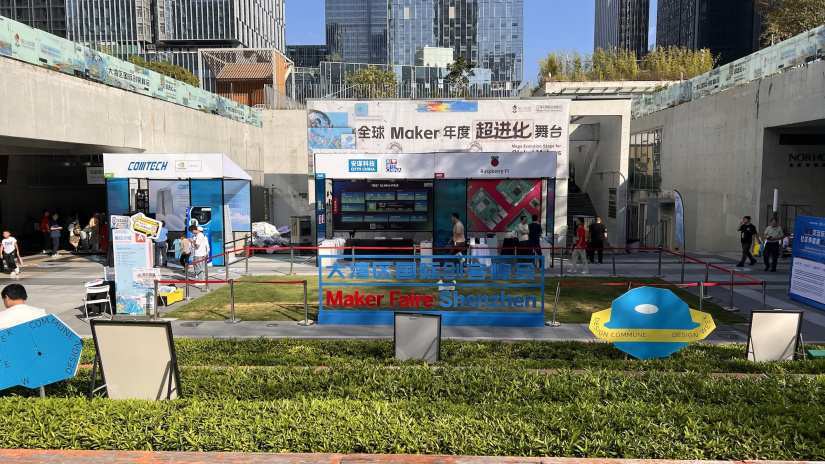
If you’d like to see the interviews behind these stories, you can watch them in full, as well as our earlier highlights, in the Maker Faire Shenzhen 2025 playlist.
KVM GO: A Next-Generation KVM-over-USB Gadget
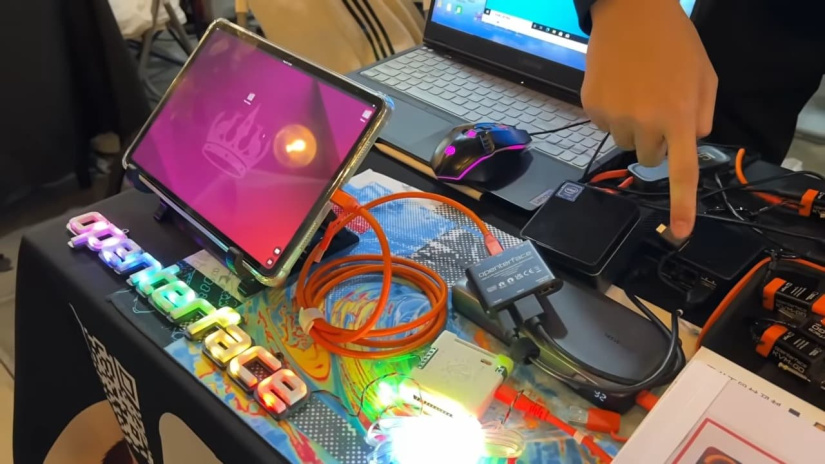
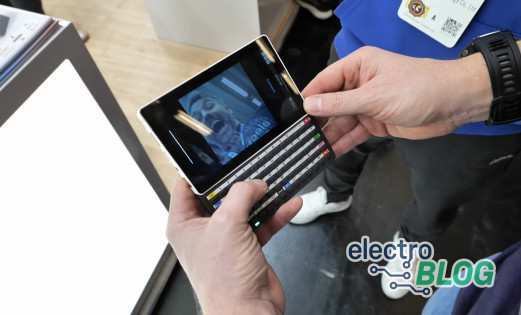
One of the most practical workflow tools we encountered at Maker Faire Shenzhen 2025 came from openterface, led by creator Billy W. His original Mini KVM, launched just a year and a half ago, quickly became a favorite among IT professionals, system administrators, and homelab enthusiasts. Compact, portable, and designed for real-world troubleshooting, it allowed users to plug into a target device via HDMI, emulate a keyboard and mouse, and take full control from an Android tablet, iPad, Windows laptop, or macOS machine.
The appeal was obvious: no bulky peripherals, no special setup, and no need to carry around a screen and keyboard for server rooms or remote equipment. For many users, the Mini KVM became an indispensable “get out of trouble” tool for on-site diagnostics.
KVM GO: Built-In Video Connectors for Critical Moments
At this year’s event, Billy unveiled the next evolution: KVM GO, a new model designed to streamline the entire troubleshooting workflow even further. The key upgrade is simple but transformative; the video connector is built directly into the device. That means no more digging through a bag looking for the right cable during a critical outage or emergency fix.
KVM GO will ship in three versions:
- VGA – already gaining strong attention on Instagram, especially from IT teams maintaining older equipment
- D-sub / DVI-class multi-format digital option – for broader compatibility with legacy and mixed systems
- HDMI – the most popular option for modern hardware
The design philosophy is clear: arrive, plug in, take control, no friction. This makes KVM GO ideal for:
- Emergency server room access
- Troubleshooting machines without remote access
- Field engineers who need a portable, reliable diagnostic tool
For IT workers who often have to fix problems under pressure, this “plug and fix” approach is exactly what makes KVM GO stand out as one of the most practical pieces of hardware at MFSZ25.
MicroBlocks: Wireless, Live Hardware Coding for Kids
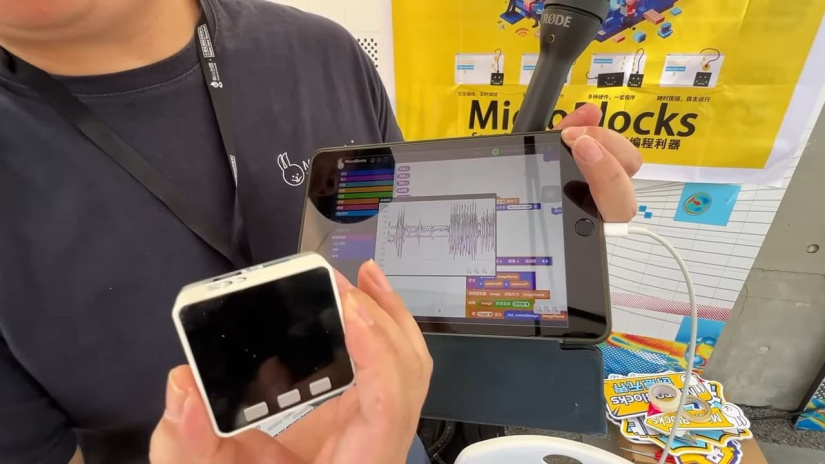
Another standout from Maker Faire Shenzhen 2025 came from the MicroBlocks Chinese community, who demonstrated just how accessible hardware programming can become when friction is removed. MicroBlocks is a block-based coding environment designed specifically for kids, giving them an instant, visual way to control electronics without installing software or dealing with complex IDEs.
Everything runs directly in the browser, and until now, interacting with hardware typically required a USB cable. But at this year’s fair, the team introduced a major upgrade: a fully wireless iPad programming mode that transforms how young learners engage with physical computing.
This immediacy makes a big difference. Instead of waiting for uploads or dealing with connection issues, kids see their actions reflected on hardware instantly, building confidence and curiosity.
Real-Time Robotics with CoCube
The team also showcased CoCube, a compact desktop robot that pairs perfectly with MicroBlocks. Using the block interface, kids can:
- Read the robot’s real-time x/y positional data
- Send precise movement commands with a single tap
- Chain multiple movements into path sequences directly from the browser
Everything updates instantly, no apps, no installations, no cables. Move the robot, and its position appears on-screen; send a command, and the robot responds immediately. It’s a powerful example of how approachable robotics becomes when real-time feedback is built in.
For beginners, especially kids, these concepts can be intimidating in traditional programming environments. MicroBlocks removes those barriers, making physical computing feel more like a game, and a deeply educational one at that. It also fits perfectly with Maker Faire Shenzhen’s theme of accessible AI-adjacent learning, where computation and creativity blend seamlessly.
LilyGO: A Versatile Open-Source IoT Hardware Ecosystem
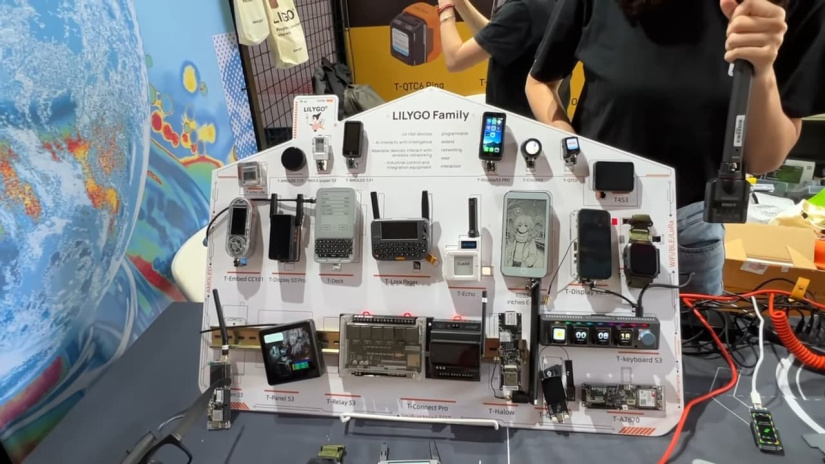
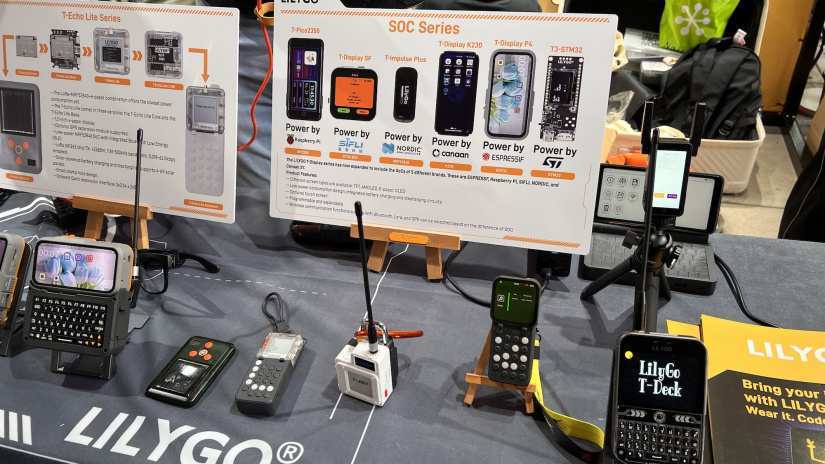
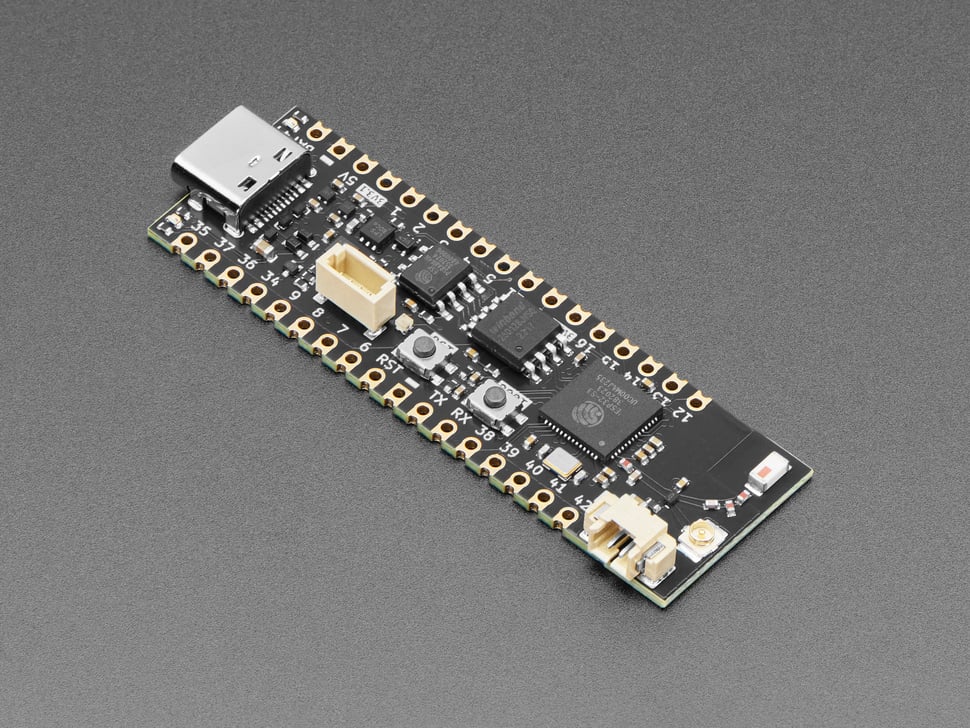
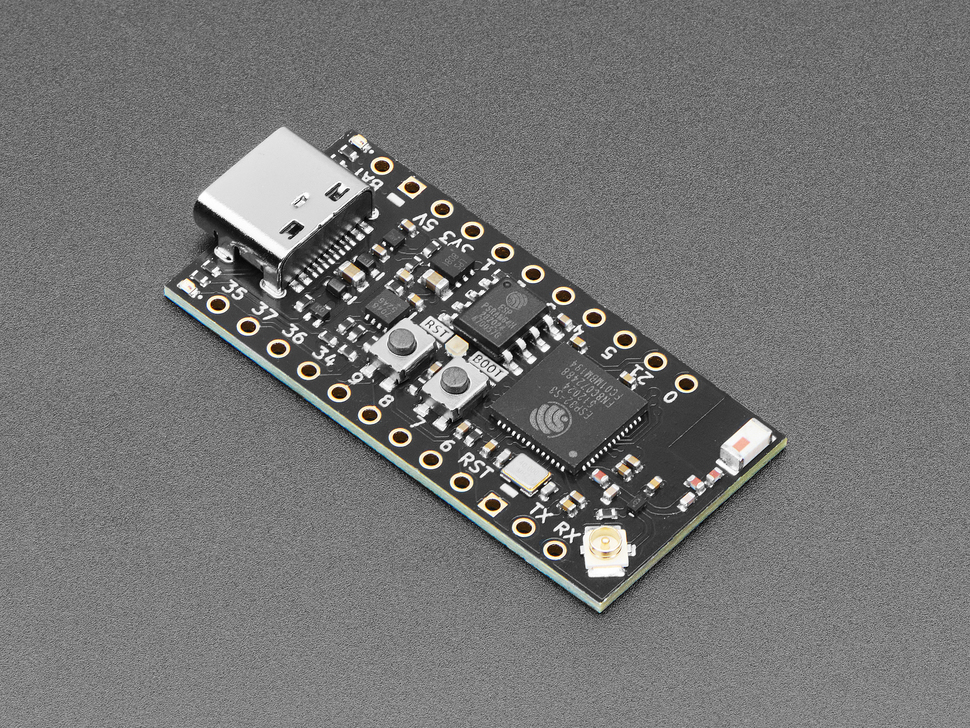
Another highlight from Maker Faire Shenzhen 2025 came from LilyGO, represented by spokesperson Lily. Known for developing affordable, open-source IoT hardware, LilyGO supports a wide audience of developers, makers, and engineers who rely on their boards to prototype faster and build smarter connected devices. Their booth showcased just how broad and mature their hardware ecosystem has become, reflecting Shenzhen’s reputation as a global engine for rapid hardware innovation.
LilyGO’s Four Main Product Groups
LilyGO organizes its expanding hardware catalog into several functional categories, each geared toward a different area of embedded development and IoT experimentation.
Wireless & Low-Power Devices
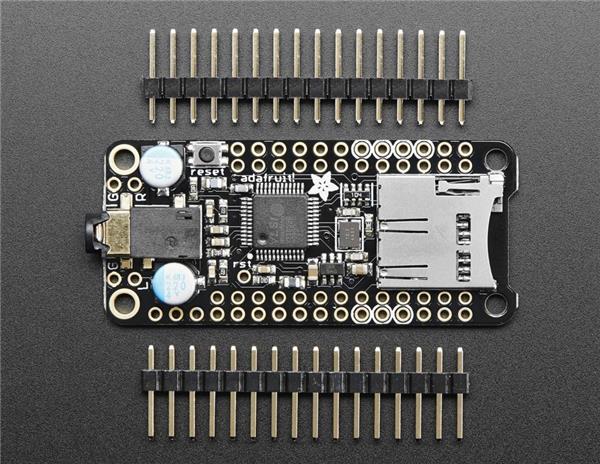
This includes the company’s most popular offerings, low-power boards built around ESP32 SoCs, LoRa wireless modules for long-range communication, and battery-efficient designs optimized for portable or off-grid projects. These boards are ideal for environmental sensing, remote monitoring, and lightweight IoT nodes.
Interactive Wireless Products
This category covers a wide range of input and display devices, handheld controllers, and modular hardware units. These components enable quick prototyping of human–machine interfaces, lightweight controllers, or portable embedded tools.
Industrial & Integrity Solutions
For more demanding environments, LilyGO produces rugged IoT nodes and automation-ready modules aimed at industrial applications. These boards focus on reliability, stable communication, and long-term deployment in factories, labs, and research settings.
AI & Smart Interaction Devices
The newest category includes edge-AI boards, vision-enabled devices, and smart interaction modules. These tools give makers and developers access to compact hardware capable of running AI models, performing image recognition, or supporting natural user interfaces.
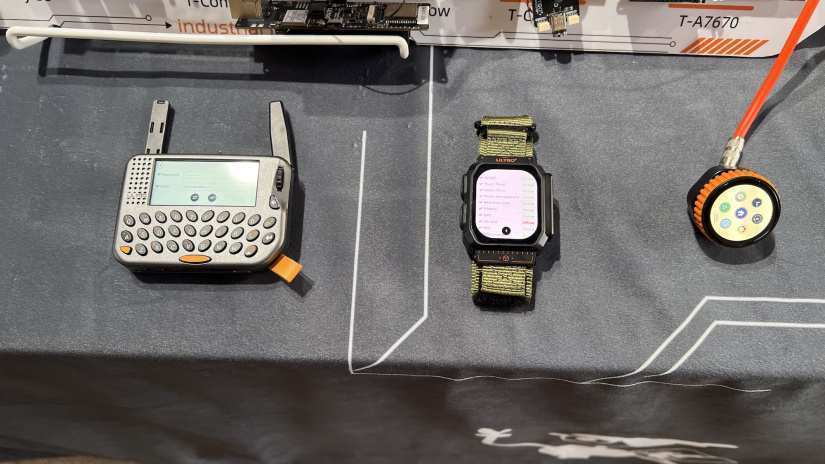
Wearables
LilyGO’s wearable lineup features smart badges, compact displays, and modular gadgets suited for health tracking, personal accessories, and interactive experiments. These boards combine small form factors with friendly APIs, making them well suited for DIY wearable tech and education.
Why LilyGO Resonates with Makers
The strength of LilyGO’s ecosystem lies in its breadth and accessibility. With open-source firmware, clear documentation, and aggressive pricing, their boards give makers a fast and flexible foundation for building connected devices. Whether you’re experimenting with IoT sensors, designing wearables, or assembling educational kits, LilyGO hardware provides a reliable starting point.
It’s also a perfect reflection of Shenzhen’s role in global hardware culture—the ability to iterate quickly, experiment freely, and ship products that empower developers around the world. LilyGO’s presence at Maker Faire Shenzhen 2025 highlighted just how much this community-driven engineering mindset continues to shape the future of IoT.
STEMstar Idea Lab: Faster STEM Learning Through Redesigned Circuits
STEM education was a major theme across Maker Faire Shenzhen 2025, and one of the most thoughtful examples came from STEMstar Idea Lab. Represented by David, the team showcased a series of redesigned circuit kits created by teachers who wanted to remove common barriers that slow down beginner progress. Their approach focuses on simplifying the physical build process so students can spend more time exploring ideas, and less time troubleshooting broken connections.
Redesigned Circuit Kits for Beginners
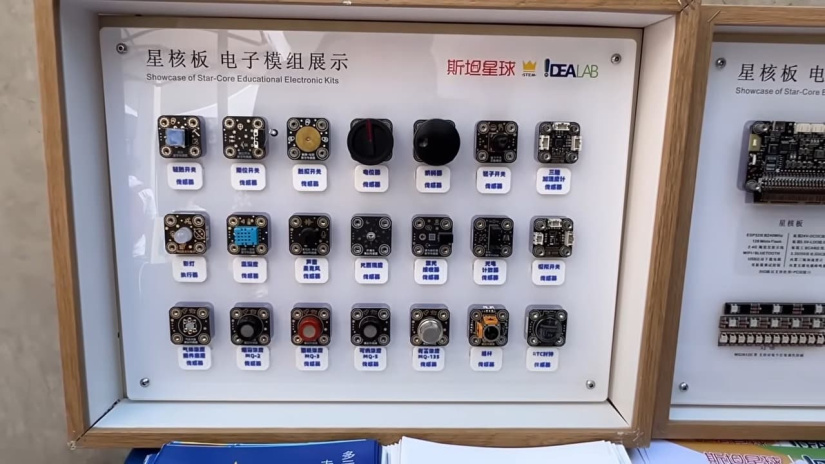
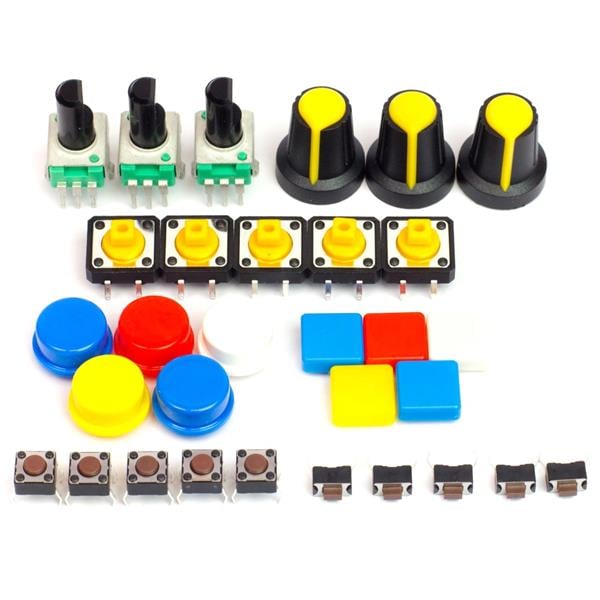
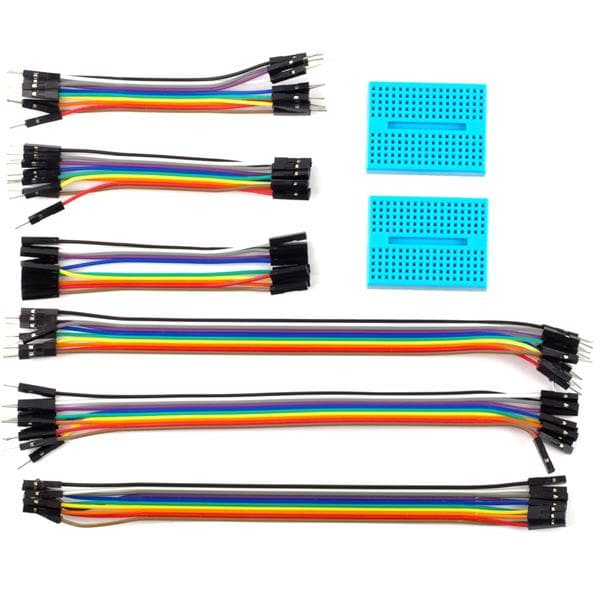
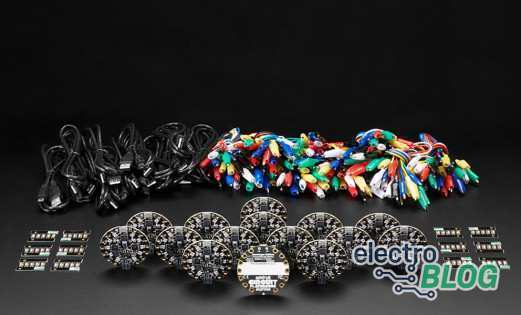
At the heart of STEMstar’s offering are circuit kits engineered specifically for first-time learners. Teachers involved in the project identified a recurring problem: beginners often struggle with loose plugs, unstable breadboards, and delicate wiring. STEMstar’s solution was to redesign the circuits themselves, adding secure connectors, improving component layouts, and integrating a stable power circuit to prevent the voltage drops and wiring failures that frustrate new students.
The result is a kit that feels robust, forgiving, and easy to assemble, making it ideal for classrooms or after-school programs.
Accelerating Student Learning
Thanks to these improvements, STEMstar kits make it possible for students, even those with zero prior experience, to complete meaningful projects in as little as seven days. Each kit includes a selection of sensors and redesigned connectors that eliminate fiddly, error-prone assembly steps. This frees students to focus on learning how hardware works, understanding sensor data, and building confidence through hands-on experimentation.
An Assistive Project for Blind Students
One of the most impressive examples David shared was a student project designed to help blind learners better understand objects they can’t see. The system combined 3D printing, sensory design, and embedded technology into a thoughtful, inclusive educational tool:
- A 3D-printed dog model that blind students can explore by touch
- A scent box that releases a “dog smell” when opened
- A camera that scans QR codes attached to objects
- Audio playback that speaks a description aloud once an object is identified
This project embodies empathy-driven engineering, students solving real-world accessibility challenges using approachable tools.
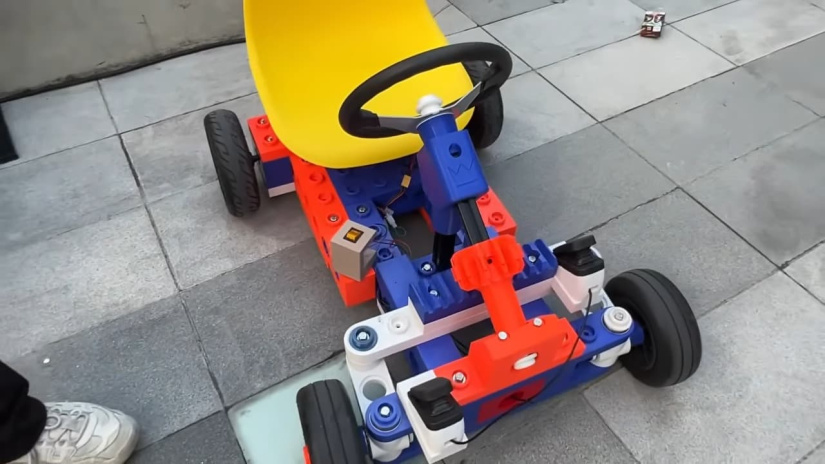
A 3D-Printed Go-Kart for Families
Another standout from STEMstar Idea Lab was their 3D-printed go-kart kit, designed so that families can build it together at home. The kit arrives with pre-printed parts, a clear assembly handbook, and requires only a single day to put together. At 3,000 RMB (~$420 USD), it offers an affordable entry point into mechanical assembly, hands-on STEM learning, and collaborative making.
Why STEMstar Matters
STEMstar Idea Lab’s work demonstrates how accessible hardware design can reshape STEM education. By reducing friction and engineering thoughtful kits, they create space for students to explore creativity, build confidence, and develop real-world problem-solving skills. Their presence at Maker Faire Shenzhen highlights the strong educational and community-driven spirit that continues to define the event.
Tools That Power the Next Generation of Makers
Taken together, these four interviews offer a clear snapshot of the tools shaping modern maker hardware. KVM GO tackles real-world troubleshooting with a portable KVM-over-USB device designed for critical fix-it moments. MicroBlocks shows how wireless, live coding can turn hardware programming into an approachable, real-time learning experience for kids. LilyGO highlights the power of an open-source IoT ecosystem that spans wearables, low-power devices, industrial nodes, and AI-ready boards. And STEMstar Idea Lab demonstrates how redesigned circuits and thoughtful kit design can accelerate STEM learning and unlock meaningful, inclusive student projects.
These projects reinforce why Maker Faire Shenzhen remains such an important hotspot for innovative hardware. It’s a place where workflow tools, educational platforms, IoT ecosystems, and creative STEM kits all share the same floor space, giving makers and educators a glimpse of what the next generation of electronics, and the people building it, will look like.

Residing on the south coast of England, Rich has spent the last few years building Electomaker.io from the ground up. He is usually found behind a laptop coordinating the rest of the EM team and occasionally finding time to contribute articles to the blog. When not tapping away at a laptop, he can be found either paddleboarding, at the beach, playing golf (badly), or camping with his family.





Leave your feedback...