





The Ultimate M5StickC add-on list
M5StickC Plus accepts two add-on families. HATs that snap to the top and Units that connect over the Grove port. Typically, you should start with HATs for compact builds and use units when you need features that sit off-device or draw more power. Confirm I2C or UART addresses, then plan pins and power before you mount.
HATs for M5StickC Plus
These HATs fit M5StickC and M5StickC Plus, unless noted. Each entry lists the interface and a use case.
Environmental and sensing
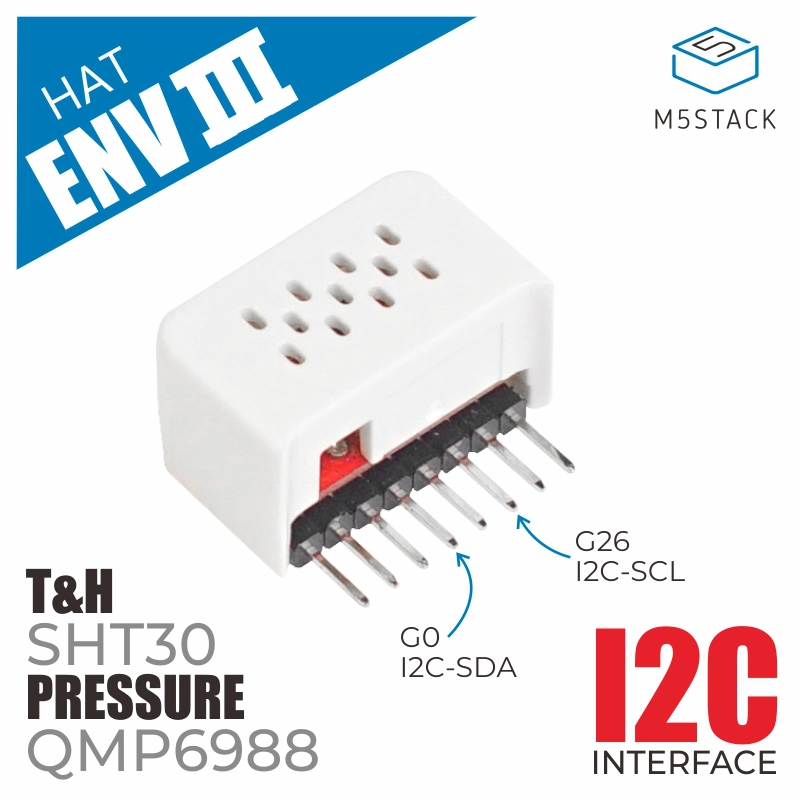
- ENV HAT III SHT30 temperature & humidity plus QMP6988 pressure over I2C. A compact way to log room conditions and build dashboard readouts; stable, low‑power sensors keep wearable builds efficient.
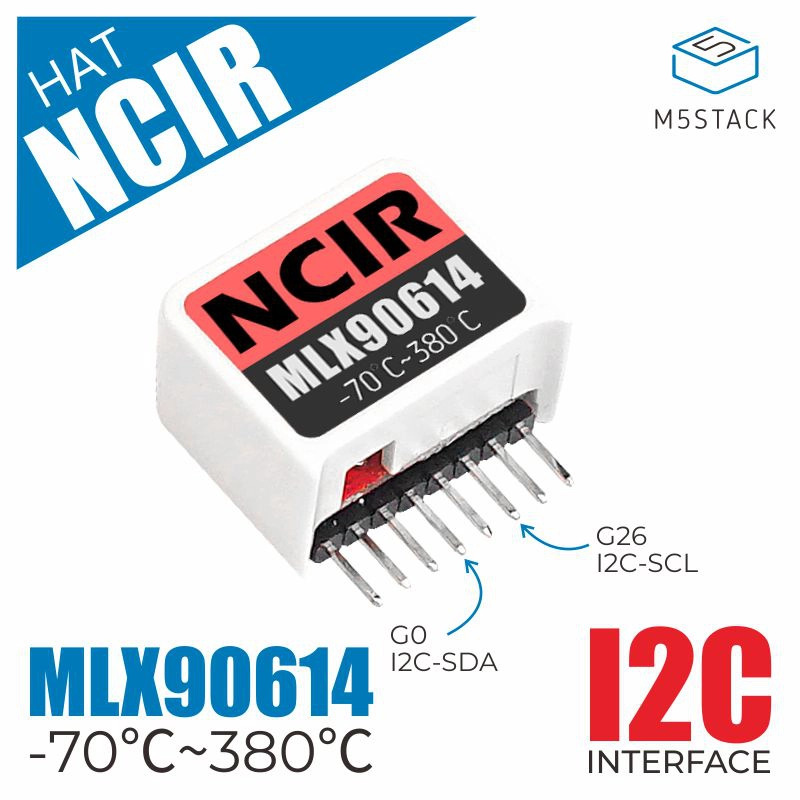
- NCIR HAT MLX90614 non‑contact infrared thermometer over I2C. Measures surface temperature from a short distance—useful for quick forehead checks and material temperature sampling without contact.
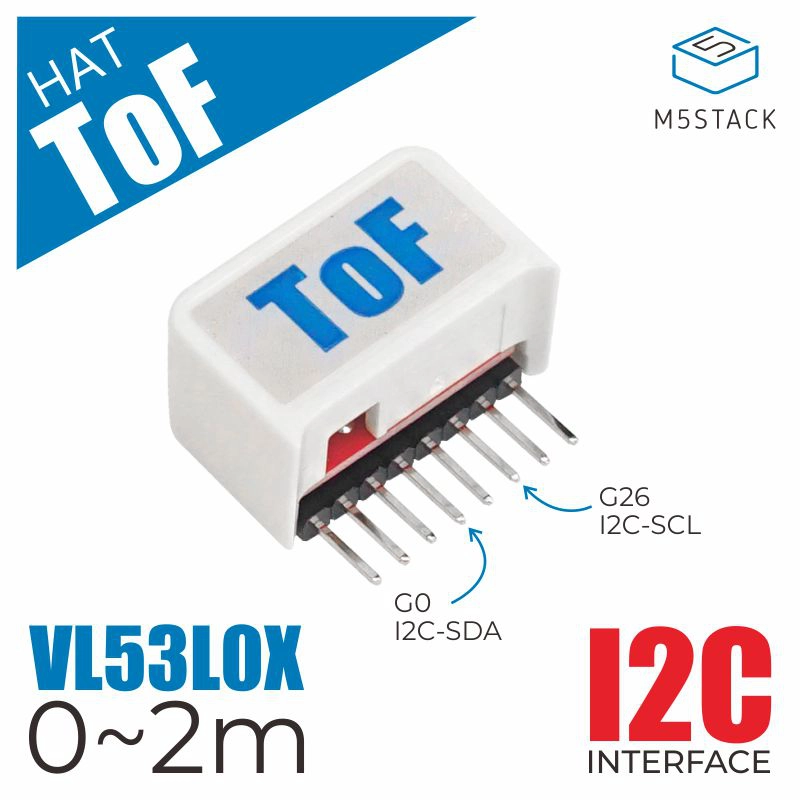
- ToF HAT VL53L0X time‑of‑flight distance sensor over I2C. Delivers fast, absolute distance up to ~2 m for gesture, proximity, or desk‑range ranging tasks where latency and size matter.
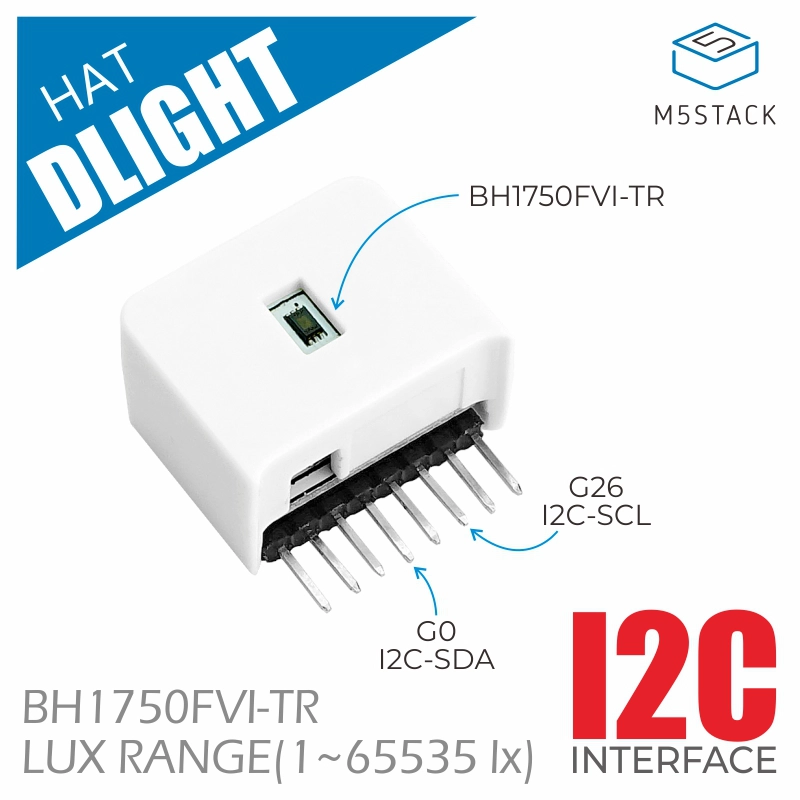
- DLight Ambient Light HAT BH1750FVI digital lux sensor over I2C. Provides simple, stable illuminance readings for display auto‑brightness, light‑aware automations, and logging.
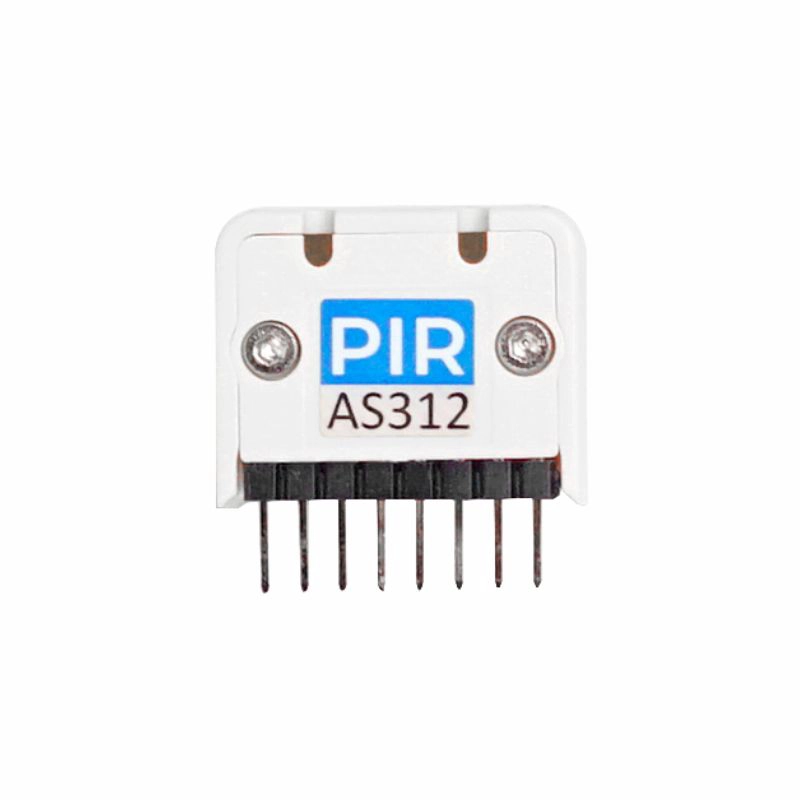
- PIR HAT AS312 passive infrared motion detector with digital output. A go‑to for presence alerts and simple motion‑triggered interactions with minimal code.
Control and I/O
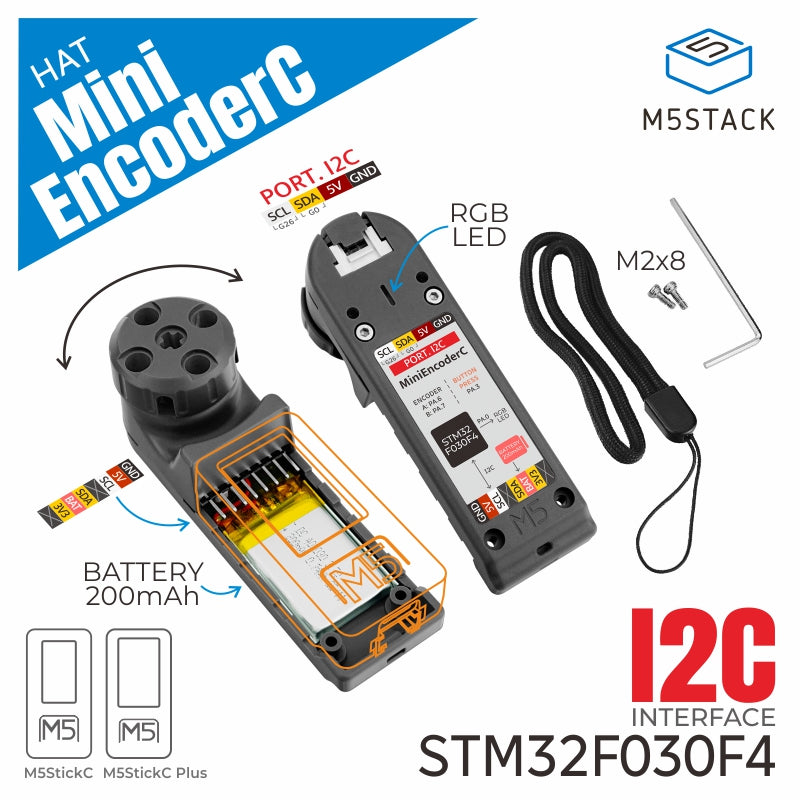
- MiniEncoderC HAT Compact AB rotary encoder with push button (I2C) and onboard battery—great for menus, parameter input, and tactile control on StickC builds.
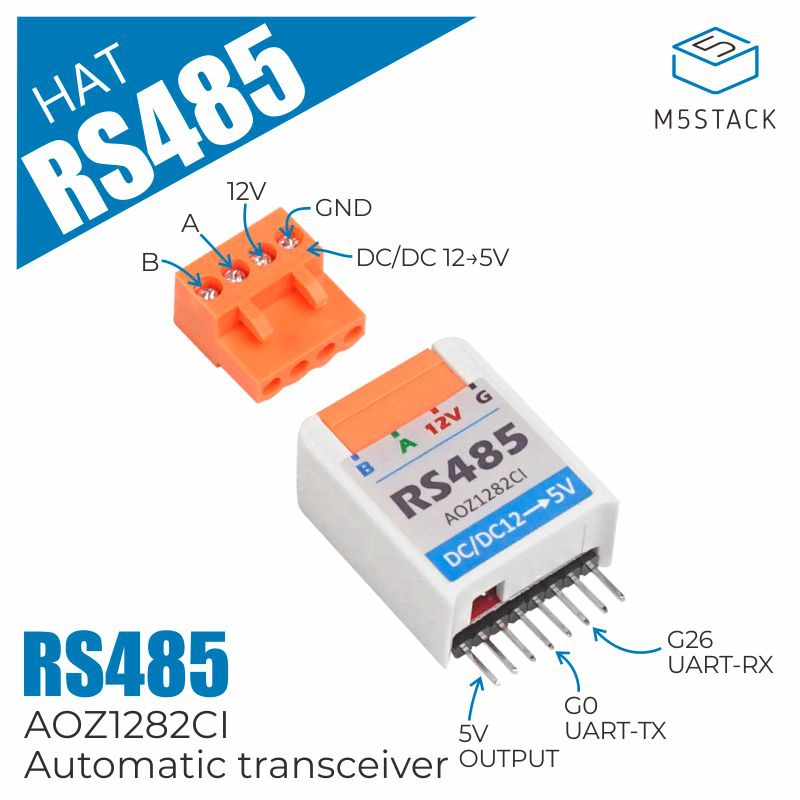
- RS485 HAT TTL↔RS485 interface with onboard buck input and auto‑transceiver. Suitable for MODBUS RTU and long‑cable serial links in noisy environments.
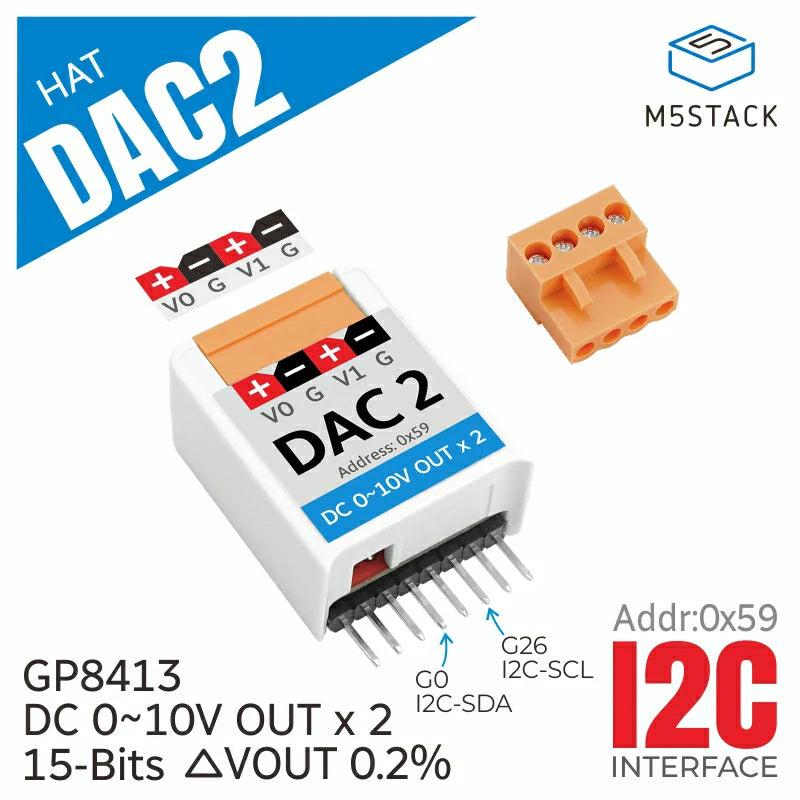
- DAC HAT MCP4725 12‑bit DAC over I2C. Generates stable analog voltages for set‑points, calibration, or control loops.
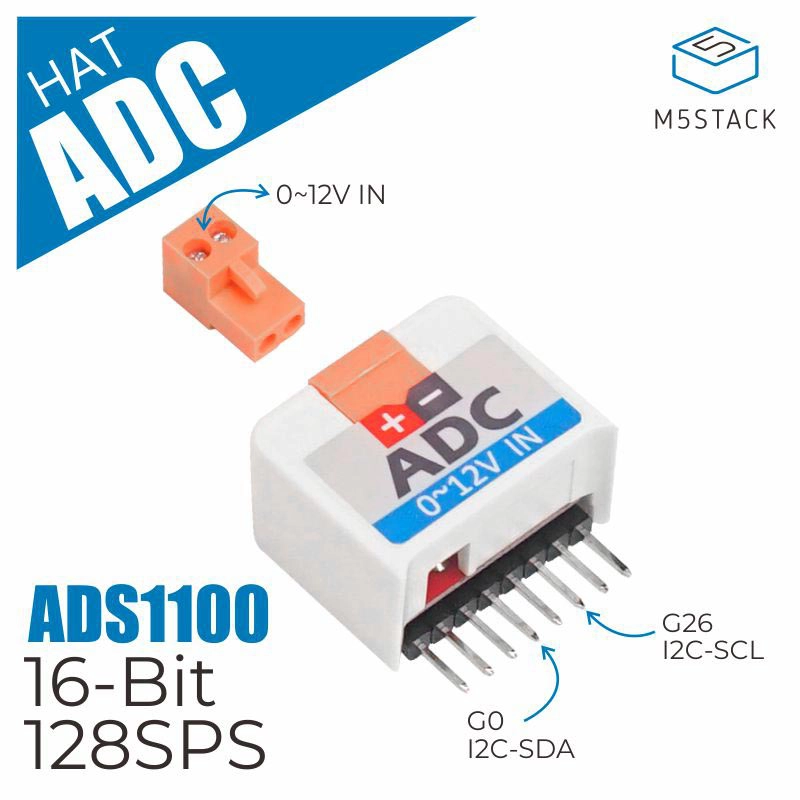
- ADC HAT ADS1100 16‑bit delta‑sigma ADC over I2C with input scaling—handy for accurate analog captures and sensor interfacing.
Audio
- HAT‑SPK2 Speaker MAX98357 I2S amplifier with 1 W speaker. Clean audio for prompts, tones, and voice feedback in demos.
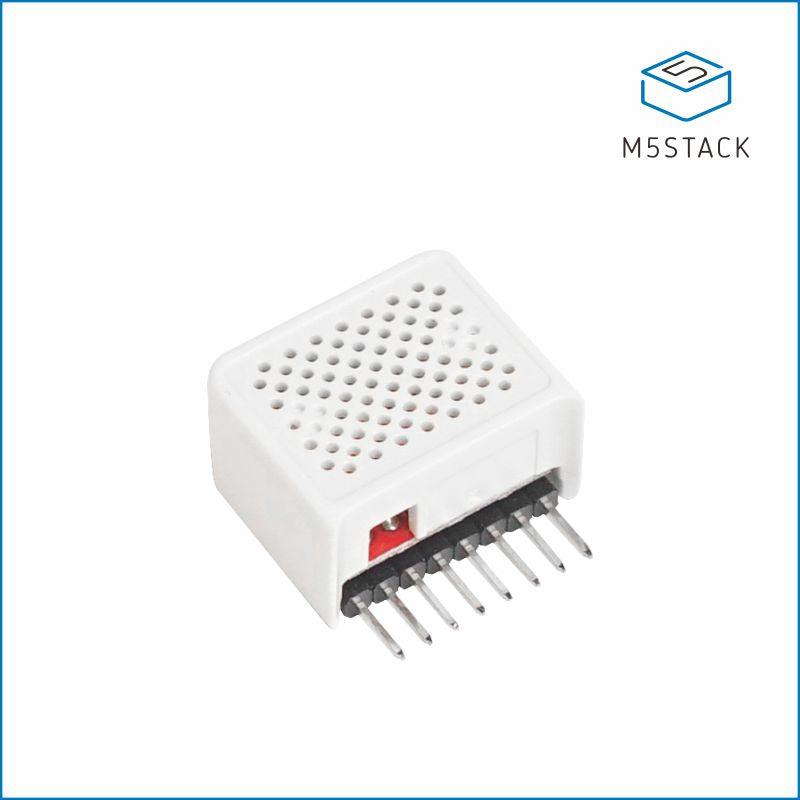
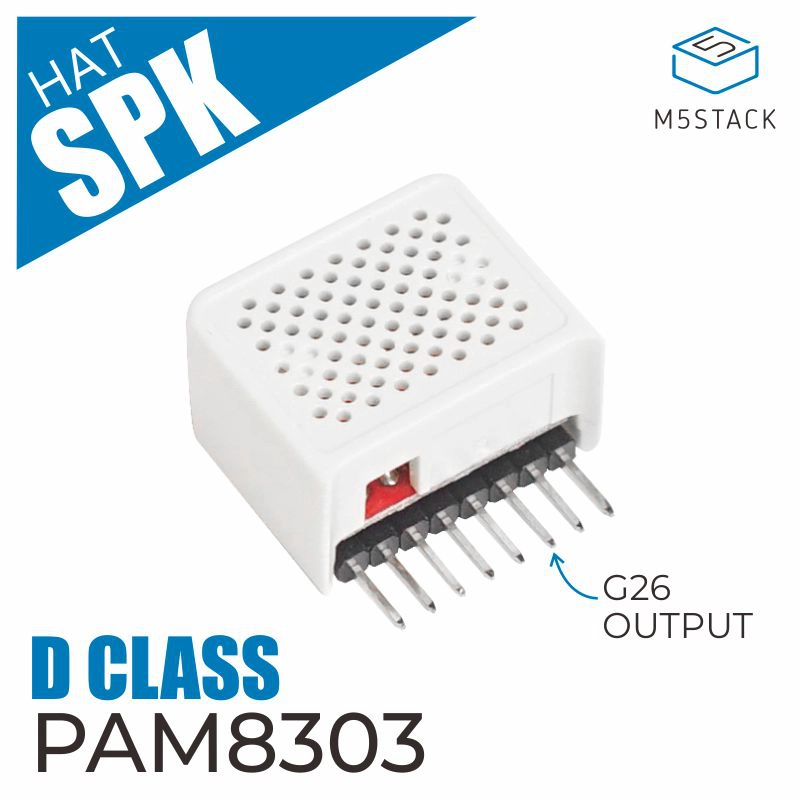
- SPK HAT PAM8303 class‑D amplifier HAT. Simple audible alerts and beeps when you need tiny, low‑power sound.

Units that pair well over Grove
Plug Units into the M5StickC Plus Grove port with the supplied cable. Most Units speak I2C or UART. Check address conflicts if you chain more than one.
Location and RF
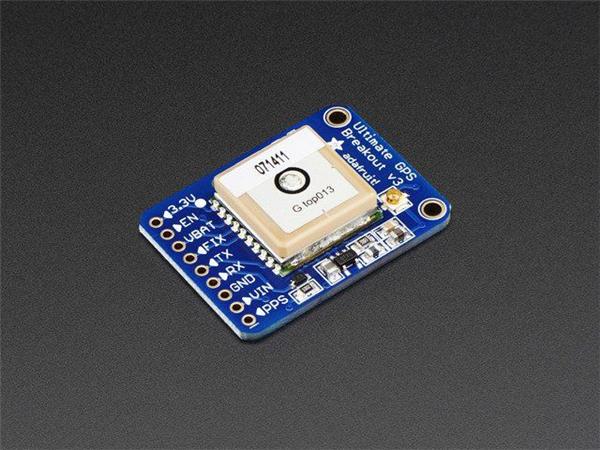
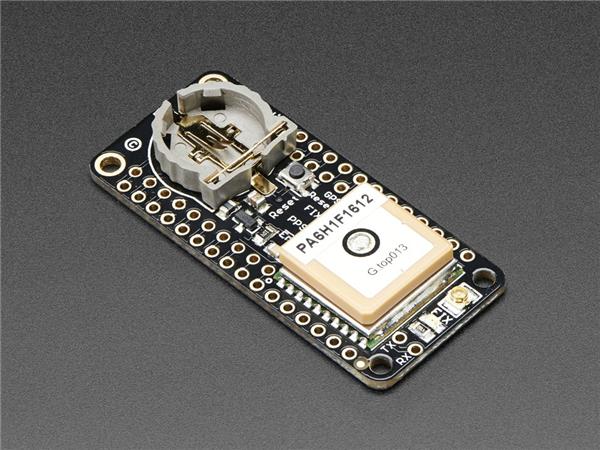
- GPS/BDS Unit GNSS (AT6558/AT66xx family) with ceramic antenna and LNA, controlled over UART. Supplies position, time, and fix status for outdoor trackers; combine with onboard RTC as a time source indoors.

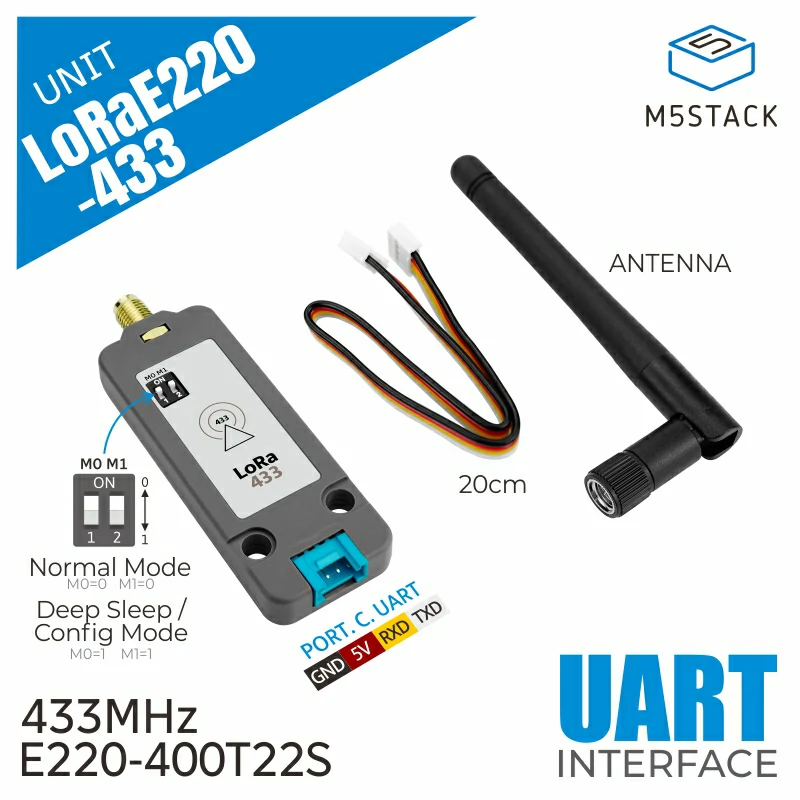
- LoRa Unit 433 MHz E220 long‑range transceiver over UART with external whip antenna. Use for kilometer‑scale links in open areas; select air‑rate and power appropriate to local regulations.
Access and ID
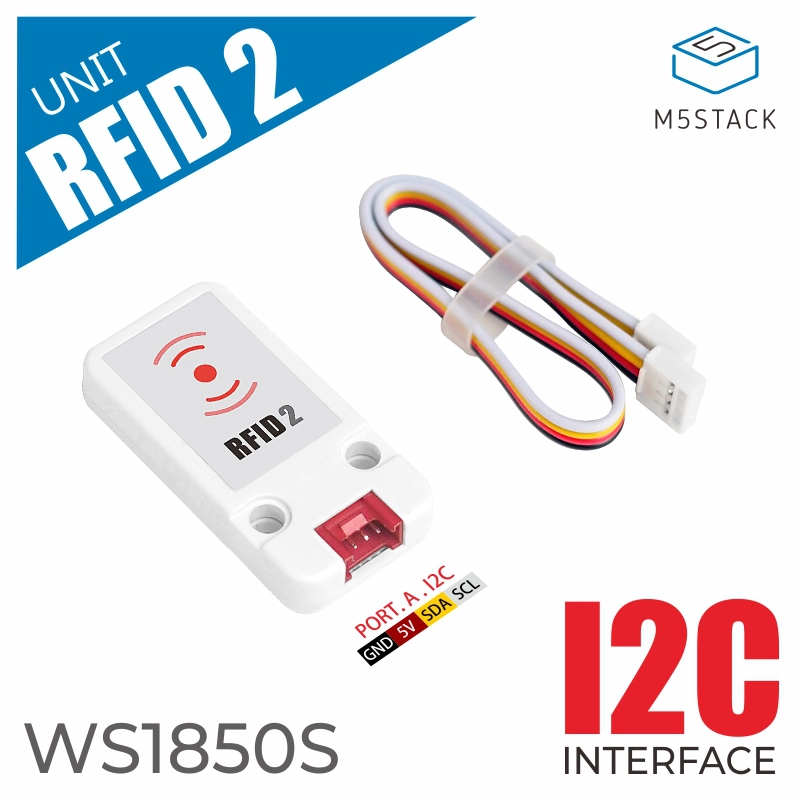
- RFID2 Unit 13.56 MHz WS1850S over I2C. Reads cards, tags, and keyfobs; useful for access, asset check‑in, or simple ID workflows. Pair with flash storage to log scans.
Vision and voice
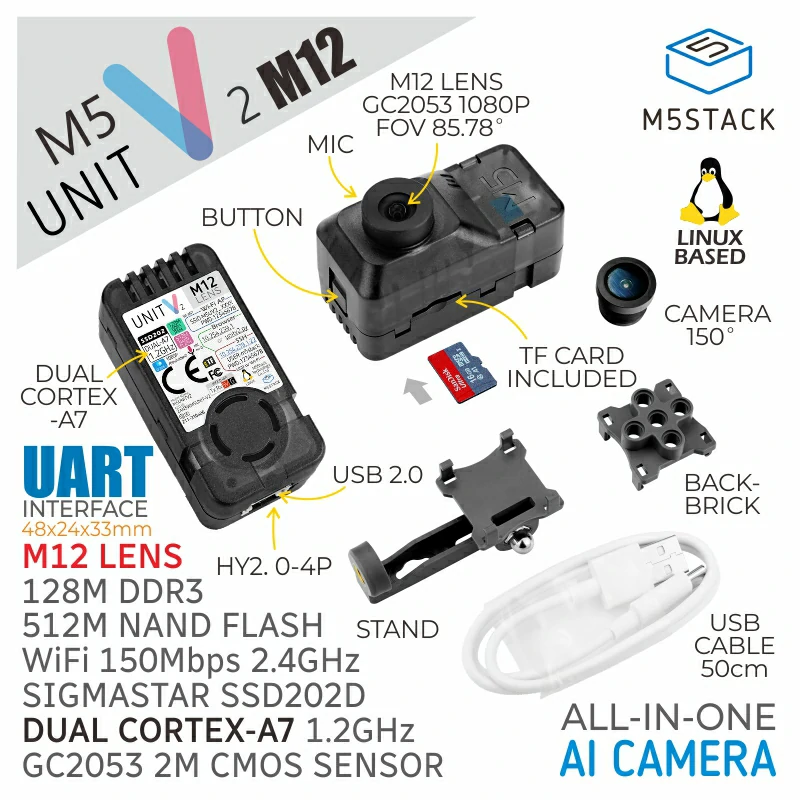
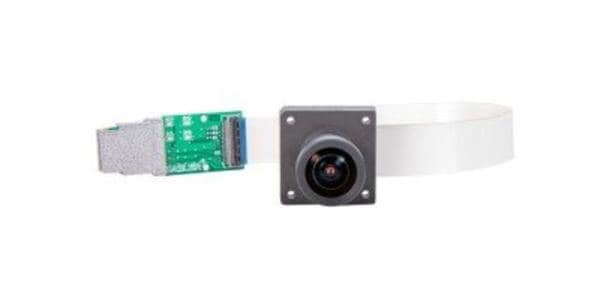
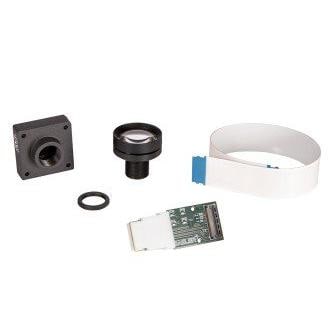
- UnitV2 M12 Linux smart camera with dual M12 lenses and Wi‑Fi; runs models on‑edge and streams results to the StickC via UART or sockets. Good for detection, tracking, and quick vision demos.
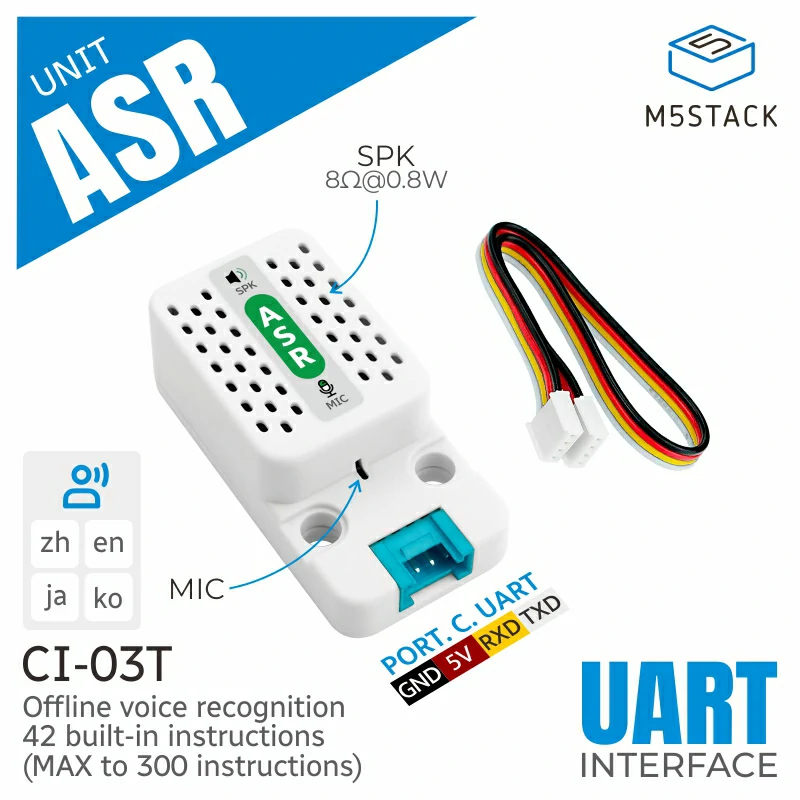
- AI Offline Voice Unit CI‑03T offline ASR with wake words and command slots. Handle local control without a cloud round‑trip; ideal for voice‑controlled demos with privacy constraints.
Motion and actuation
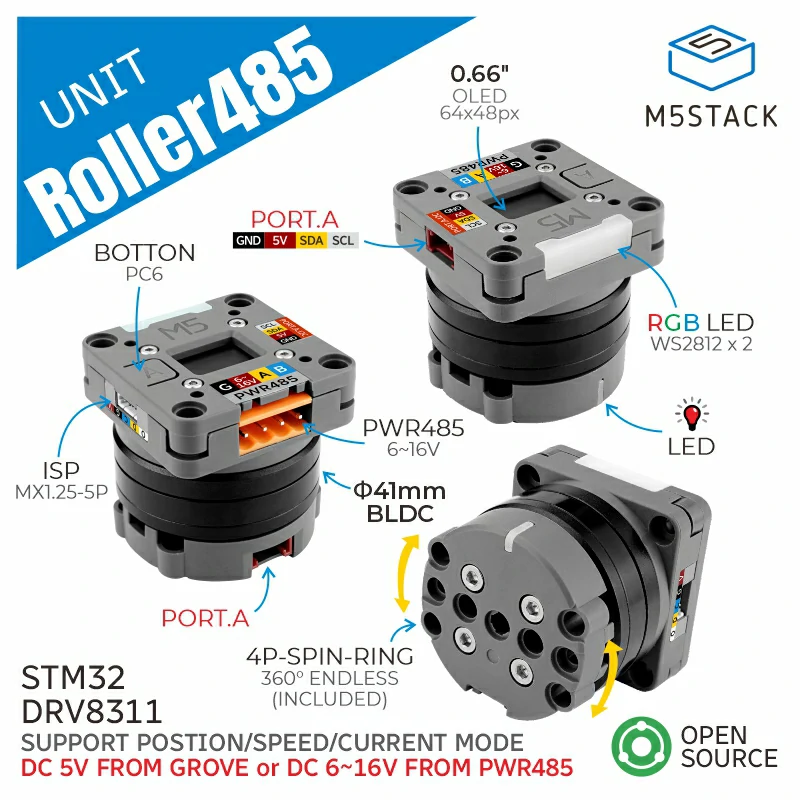
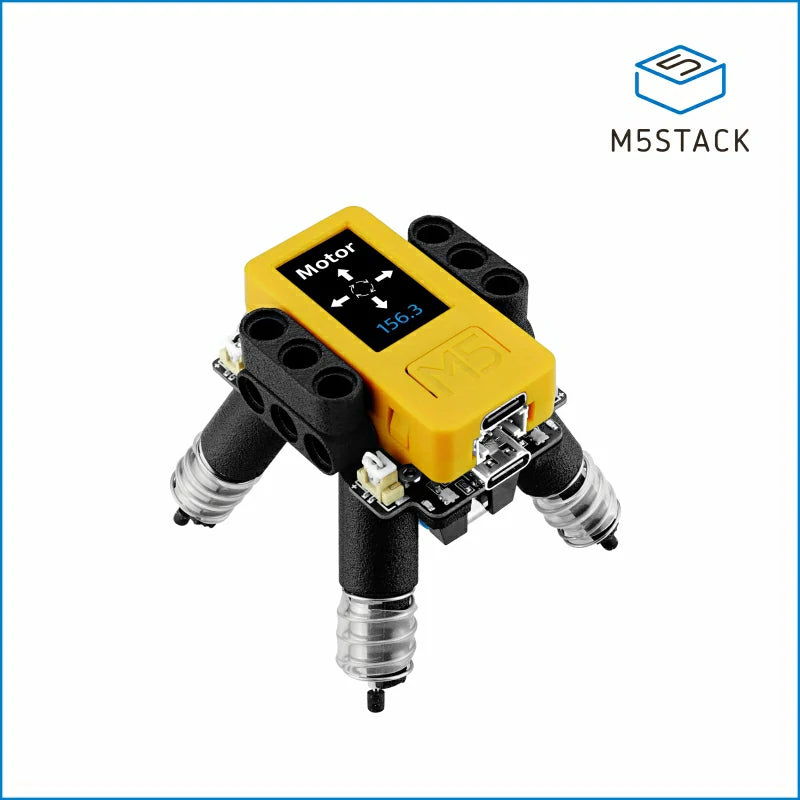
- Roller485 Unit Integrated BLDC roller with RS485 control. Use for conveyors, feeders, or kinetic displays; commands map to speed/dir with robust cabling over long distances.
Starter options
Two kits bundle the core and common add-ons. These help you start fast.
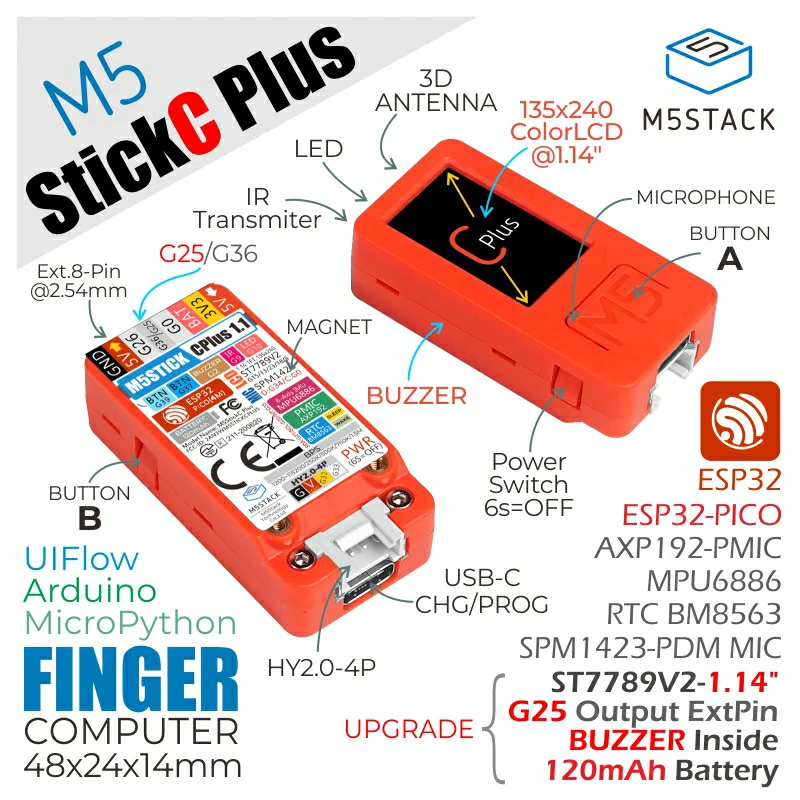
- M5StickC Plus Dev Kit A compact ESP32‑PICO dev kit with a larger 1.14″ display, watch strap, and cable—great for wearable prototypes that still need Wi‑Fi/BLE, an IMU, and a buzzer.
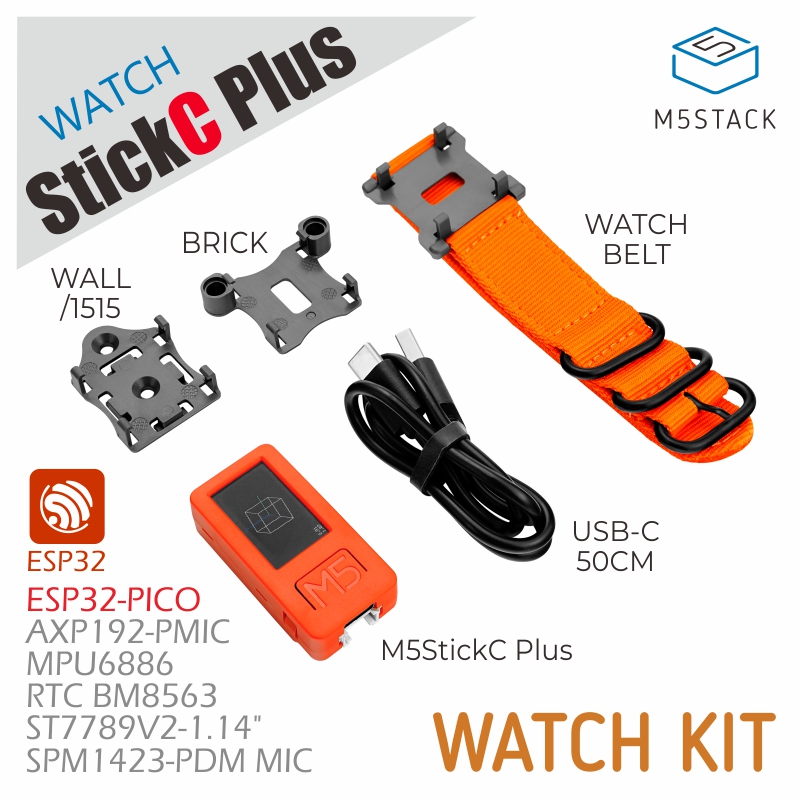
- M5StickC Plus Watch Kit Adds strap and mounting accessories so you can wear the StickC Plus while evaluating any of the HATs above—ideal for quick UI and sensor trials on the wrist.
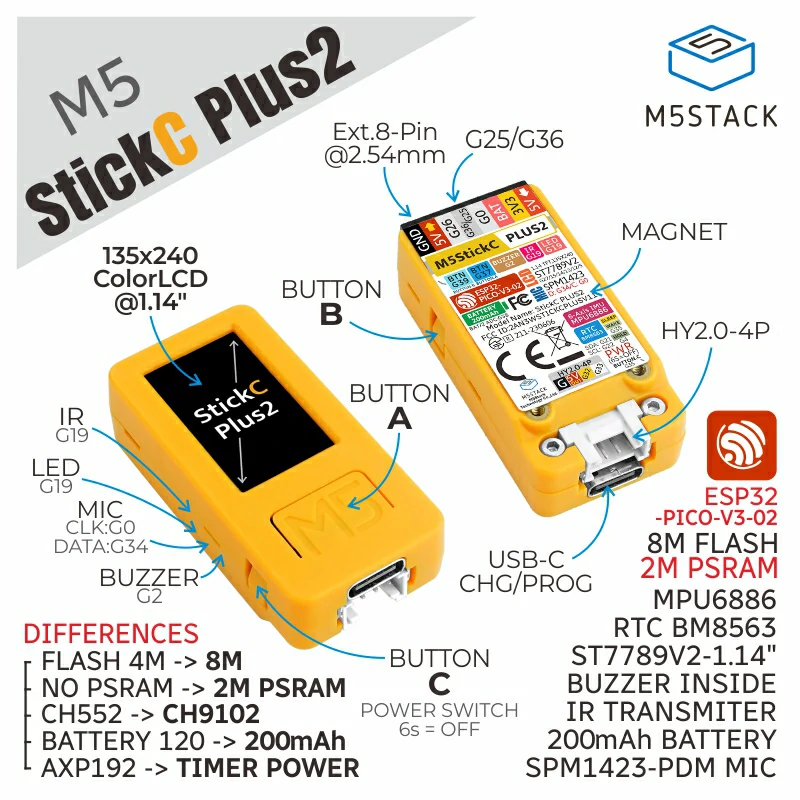
- M5StickC PLUS2 The newer ESP32‑PICO‑V3‑02‑based core with the same pocketable form factor; improved peripherals and great battery performance for tiny wearables and IoT endpoints.
Compatibility and power notes
Most HATs use I2C on fixed addresses. Do not stack two HATs with the same address. Units draw 5 V from the Grove port. Large loads like motors need their own supply and a common ground. RS485 HAT accepts higher input then regulates to 5 V, check wiring before tests.
Buyer’s checklist
- Confirm HAT or Unit form factor for your build.
- List I2C addresses and UART pins before wiring.
- Plan power for motors and long cables.
- Decide what runs local versus remote, then pick LoRa or RS485 if needed.
- Order short Grove cables for wearables to reduce strain.
FAQs
Do these HATs fit the Plus2 as well?
Yes. HATs listed above fit StickC and StickC Plus2. Interface and addresses match across both cores.
Which modules suit low-power wearables?
ENV HAT III, DLight HAT, and PIR HAT. All use I2C and draw low current. Keep update rates conservative.
How do I add long-range links?
Use the 433 MHz LoRa Unit for sensor‑to‑gateway links. Pick the RS485 HAT for wired links in noisy sites.



Residing on the south coast of England, Rich has spent the last few years building Electomaker.io from the ground up. He is usually found behind a laptop coordinating the rest of the EM team and occasionally finding time to contribute articles to the blog. When not tapping away at a laptop, he can be found either paddleboarding, at the beach, playing golf (badly), or camping with his family.










Leave your feedback...