





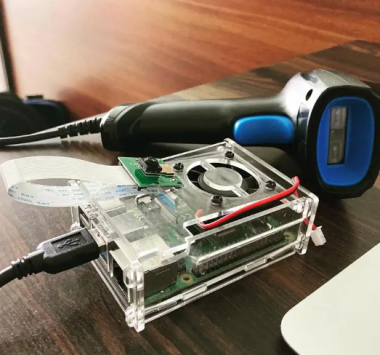
Building A Raspberry Pi Barcode Scanner Terminal For Smart I

Made by chanchaldada / IoT
About the project
A Raspberry Pi-powered barcode scanner terminal that automates inventory tracking, improves accuracy, and provides real-time inventory management for retail, warehouse, and asset-tracking applications.
Project info
Difficulty: Expert
Platforms: Arduino, Everything ESP, Raspberry Pi, Espressif
Estimated time: 4 hours
License: MIT license (MIT)
Items used in this project
Hardware components




Software apps and online services

Story
Overview
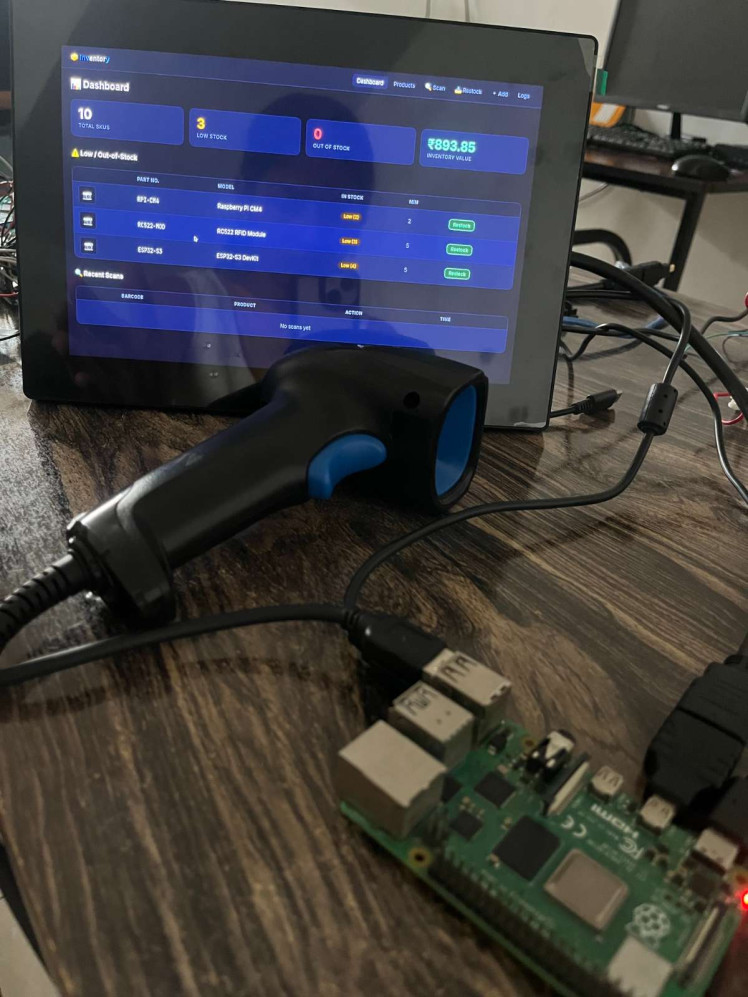
Inventory management is a critical part of any retail store, warehouse, library, or asset-tracking system. Manual inventory processes often lead to errors, delays, and inefficiencies. In the traditional generations many users use manual inventory systems which are very time consuming and cause a lot of errors. To solve this challenge, this project demonstrates how to build a Barcode Scanner Terminal using Raspberry Pi that can quickly capture product information and update inventory records in real time.
The system combines the processing power of Raspberry Pi with a USB barcode scanner to create an affordable and scalable inventory management solution. Raspberry pi manages the real time inventory and detects errors.
Project Objectives
Automate barcode-based inventory tracking
Reduce manual data entry errors
Improve inventory accuracy
Enable real-time product identification
Create a low-cost inventory management terminal
How the System Works
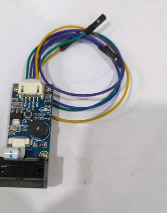
The barcode scanner is connected to the Raspberry Pi through USB. Whenever a barcode is scanned, the scanner sends the data directly to the Raspberry Pi as keyboard input.
The Python application receives the barcode data and performs the following actions:
Read the scanned barcode.
Matches the product information from the database.
Updates inventory records automatically.
Logs transaction details.
Displays product information on the screen.
- Real-Time Barcode Scanning
- Automated Inventory Updates
- Scan History Logging
- Easy Database Integration
- Scalable Architecture
Retail Stores
Warehouses
Libraries
Asset Tracking Systems
Educational Institutions
Manufacturing Facilities
Inventory Auditing
Faster inventory processing
Improved operational efficiency
Reduced human errors
Cost-effective deployment
Easy maintenance and upgrades
Real-time stock visibility
Cloud synchronization
RFID integration
Touchscreen interface
Web-based dashboard
Mobile application support
Multi-user access control
This process eliminates the need for manual product entry and significantly improves inventory accuracy.
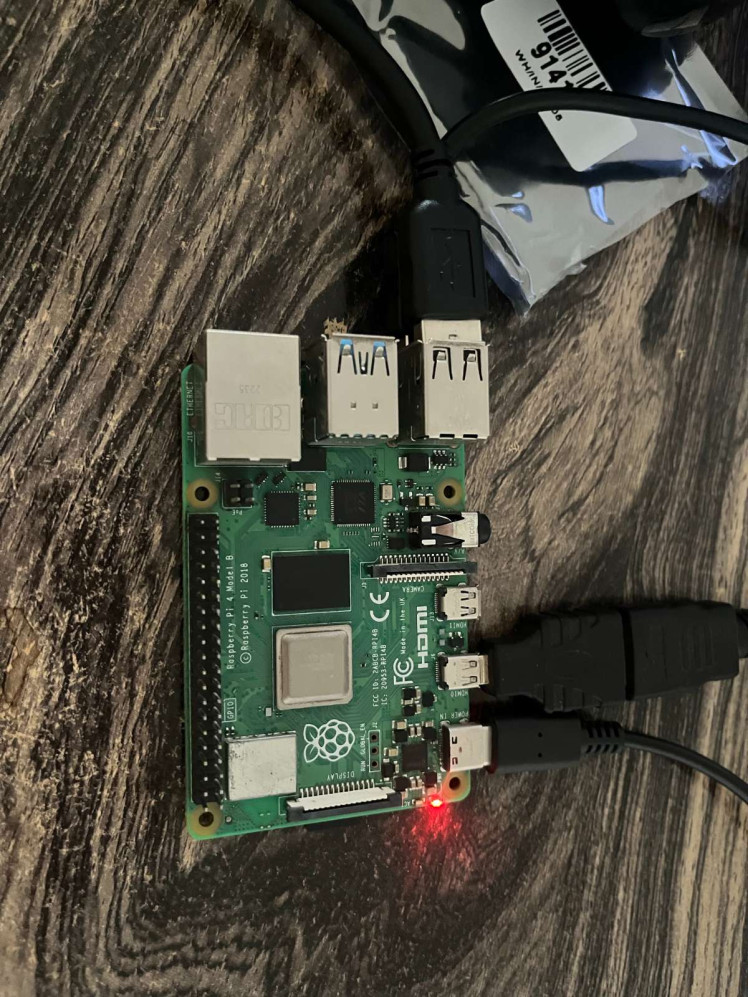
Products can be scanned instantly with immediate data processing.
Stock records are updated automatically whenever an item is scanned.
Every scan can be recorded for future reference and reporting.
The solution can work with CSV files, SQLite databases, or cloud-based systems.
Suitable for small businesses as well as large inventory management systems.
Future versions of the project may include:
The Raspberry Pi Barcode Scanner Terminal provides an efficient and affordable solution for modern inventory management. By automating barcode scanning and inventory updates, organizations can reduce manual workload, improve accuracy, and streamline day-to-day operations. Businesses looking to expand similar automation projects can also hire remote Arduino developers to build customized hardware and IoT-based inventory management solutions tailored to their requirements.
Schematics, diagrams and documents
Code
Credits
chanchaldada
Chanchal Dada is an IoT developer at DigitalMonk, focused on building smart embedded systems using Arduino and ESP32. She specializes in IoT-based automation, smart monitoring solutions, and real-world hardware-software integration for practical applications.
Related products





Leave your feedback...